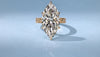
The Complete Guide to Lab-Grown Diamond Bracelets
Key Takeaways
- Lab-grown diamonds deliver the same radiance and durability as mined diamonds, typically at a 30 to 50% lower price.
- A tennis bracelet offers enduring style with a continuous line of closely set diamonds, suited to daily wear and formal events alike.
- Diamondrensu handcrafts every bracelet in Surat, India, combining artisan precision with a conflict-free origin.
- Choosing your metal and setting (prong for maximum light, bezel for active lifestyles) shapes both the look and longevity of your bracelet.
- A diamond bracelet is a thoughtful gift for milestones, from anniversaries and graduations to birthdays and holidays.
A lab-grown diamond bracelet brings polished shine to everyday outfits and evening looks. These pieces pair the radiance of premium lab-created diamonds with the heart of bespoke, handmade craftsmanship. Whether you’re celebrating a milestone or treating yourself, a diamond bracelet honors beauty and values in equal measure.
At Diamondrensu, luxury is Kind, not mined.™ We blend artistry and science to create jewelry that dazzles the eye while reflecting responsible choices. This guide walks you through how to choose, style, and care for a lab-grown diamond bracelet you’ll enjoy for years.
What Are Lab-Grown Diamond Bracelets?
A lab-grown diamond bracelet features real diamonds formed in controlled laboratory conditions rather than extracted from the earth. These gems are chemically, physically, and visually identical to natural diamonds, and they register a 10 on the Mohs hardness scale. Set in handmade designs, they offer striking sparkle and dependable quality while supporting ethical, sustainable jewelry.
Created through high-pressure, high-temperature (HPHT) or chemical vapor deposition (CVD), these diamonds still need expert cutting and polishing; work our Surat artisans handle with the same care reserved for heirlooms. The result is a refined piece with significantly lower environmental impact and none of the human cost tied to traditional mining, yet with the same fire and scintillation you expect from fine diamonds.
Why Choose a Lab-Grown Diamond Bracelet?
Choosing a lab-grown diamond bracelet lets you enjoy beauty and responsibility side by side. You get exquisite craftsmanship and lively sparkle without the harms associated with mining. Here is why a lab-created diamond bracelet is a smart, stylish pick.
Exceptional Beauty at a Better Value
Lab-grown diamonds typically cost 30 to 50% less than comparable mined diamonds. That price advantage lets you allocate more of your budget to a higher carat total weight or a more intricate setting. With Diamondrensu, you enjoy the same radiance and fire without the traditional retail markup.
Sustainable and Ethical Choice
Selecting lab-created diamonds supports a better path forward. Mining can disrupt ecosystems and fuel human conflict. Our diamonds are 100% conflict-free and produced with far less water and energy (about 85% less) than traditional diamonds, aligning with a more sustainable approach to fine jewelry.
Identical Durability and Sparkle
A lab-grown diamond matches a mined diamond in hardness and beauty. Both rank 10 on the Mohs scale, resist scratching, and are ideal for daily wear. Their sparkle depends on cut precision, which our master jewelers refine for every diamond we set.
Larger Diamonds for the Same Budget
Thanks to lower prices, a lab-grown diamond bracelet can deliver a more substantial look for the same spend. You might move from a delicate strand to a bold double-row tennis bracelet while staying within your plan.
Perfect for Everyday Wear and Special Occasions
A diamond bracelet is a versatile staple. It moves effortlessly from the office to evening events. Prefer low maintenance? Choose channel or bezel settings. Want more light? Prongs invite maximum radiance. There is a style for every routine and wardrobe.
Types of Lab-Grown Diamond Bracelets
Knowing the main bracelet types helps you narrow in on the right fit for your wrist and style. From sleek bangles to flexible tennis designs, each format highlights lab-grown diamonds in its own way.
Tennis Bracelets
A tennis bracelet showcases a continuous, flexible line of closely set diamonds. This classic form offers enduring elegance and easy wear, day after day. At Diamondrensu, we design each tennis bracelet to amplify diamond radiance and deliver a secure, comfortable fit. The design traces back to Chris Evert's 1978 US Open match, where her diamond bracelet broke mid-game — the name "tennis bracelet" has stuck ever since. Today, it remains one of the most universally loved jewelry styles, equally comfortable with a morning coffee at home or at a black-tie event.
Bangle Bracelets
Bangles are rigid circles that slide over the hand. A diamond bangle may feature a full pavé field or spaced accents for a structured, contemporary look. They stack beautifully and bring a polished finish to any ensemble. Because they sit firmly on the wrist without a clasp, bangles offer a modern, architectural feel that appeals to anyone who prefers jewelry with a confident presence.
Chain Diamond Bracelets
Chain bracelets are delicate and flexible, often set with a few well-placed lab-grown diamonds along fine links. They bring subtle sparkle that complements rather than dominates, ideal for layering and an understated aesthetic. The slim profile makes them comfortable enough to forget you’re wearing them, that is until someone notices the gentle shimmer.
Station Diamond Bracelets
Station bracelets place diamonds at intervals along a slim chain, leaving space for the metal to show. Each gem catches light on its own, creating a minimalist, modern effect. The open design also means less weight on your wrist, making station bracelets an excellent choice for all-day comfort without sacrificing the look of fine jewelry.
Cuff Bracelets
Cuffs are wider, open-ended bands that make a bold entrance. Adorned with lab-grown diamonds, they become standout pieces for evening wear. The broader surface invites intricate pavé or a striking center arrangement. Cuffs sit higher on the wrist than traditional bracelets, giving them a commanding presence that pairs well with simple outfits where the jewelry takes center stage.
Adjustable Diamond Bracelets
Adjustable bracelets use sliding mechanisms or multiple clasp points to fine-tune the fit. That flexibility makes them excellent gifts when you don’t know the recipient’s exact size. They feel casual, comfortable, and easy to wear. An adjustable design also accommodates slight wrist changes that happen naturally over seasons or after activities like weight training.
Popular Lab-Grown Diamond Bracelet Styles
Structure sets the foundation, but style defines the mood. From heritage details to clean, modern lines, these styles help you find a bracelet that reflects your taste.
Classic Solitaire Designs
A classic solitaire style spotlights a single focal diamond or a tidy row of evenly matched stones. This timeless approach keeps the eye on radiance and purity. It remains a favorite across generations because it never feels dated or overdesigned. The simplicity lets the diamond speak for itself.
Halo Diamond Bracelets
A halo encircles a center diamond with a ring of smaller pavé stones, boosting sparkle and making the focal diamond appear larger. The look is luxurious, romantic, and ideal for milestones and special celebrations. Halo designs add dimension without overwhelming the wrist, giving you a showstopping effect from a compact footprint.
Vintage-Inspired Styles
Vintage-inspired bracelets borrow from Art Deco and Edwardian design codes, with milgrain edges, filigree work, and antique-influenced facets. They channel nostalgia and heirloom character while feeling distinct among sleeker modern pieces. These designs appeal to buyers who appreciate history and craftsmanship details that take longer to produce.
Modern Minimalist Designs
Minimalist designs favor clean lines and subtle shimmer. Bezel and channel settings excel here, giving you everyday practicality and a refined, low-profile silhouette that pairs well with watches and other bracelets. This style has grown in popularity as more people seek jewelry that fits seamlessly into professional and casual wardrobes.
Mixed Shape Diamond Bracelets
Mixed-shape designs alternate cuts — think round brilliant with emerald cut — to add texture and movement. This creative mix breaks uniformity and expresses a contemporary point of view. Combining shapes also lets you enjoy the fire of a round cut alongside the sleek geometry of an emerald cut, all in one piece.
Colored Lab-Grown Diamond Bracelets
Beyond white diamonds, lab-created diamonds appear in Fancy colors like yellow, pink, and blue. A splash of color personalizes the piece, whether used as a few accents or the star of the show. Colored lab-grown diamonds are notably more affordable than their rare natural counterparts, making vibrant bracelet designs accessible to a wider audience.

Diamond Shapes for Lab-Grown Bracelets
Shape influences how a bracelet’s rhythm, light return, and presence read on the wrist. Here are the most popular options and what each brings to your design.
Round Brilliant Cut
Round brilliant diamonds are the top pick for tennis bracelets. With 57 or 58 carefully arranged facets, they maximize light return for lively fire and intense radiance. Their circular outline creates a smooth, continuous stream of sparkle around the wrist. The round cut remains the most universally flattering shape, which is why it dominates the diamond jewelry market.
Oval Cut
Oval diamonds share the brightness of rounds but with an elongated form. They create a graceful, lengthening effect and a flowing rhythm in bracelets that feels both current and classic. Oval cuts can appear larger than rounds of the same carat weight, giving you more visual impact per dollar spent.
Emerald Cut
Emerald cuts feature rectangular outlines and stepped facets that produce a "hall of mirrors" effect. They emphasize clarity and depth over bold fire, lending understated, architectural sophistication. Because the stepped facets reveal more of the diamond's interior, clarity matters more with emerald cuts, so opt for VS1 or better to avoid visible inclusions.
Cushion Cut
Cushion cuts are square or rectangular with softened corners. Their gentle sparkle blends vintage character with modern appeal. A cushion bracelet reads luxurious, warm, and adaptable. The rounded corners also make cushion cuts more durable than sharp-cornered shapes, reducing the risk of chipping during daily wear.
Princess Cut
Princess cuts are modern squares with sharp corners and strong scintillation. Set closely in a bracelet, they form a crisp, seamless line of light. The princess cut delivers excellent value because it retains more of the rough diamond during cutting compared to rounds, meaning you pay less for comparable brilliance.
Pear Cut
Pear-shaped diamonds combine round radiance with elongated elegance, forming a teardrop outline. They add a sense of motion and a distinctive profile to a bracelet. Pear cuts work beautifully as a mixed-shape element alongside rounds or ovals, adding visual variety to a traditional tennis design.
Marquise Cut
Marquise cuts are highly elongated with pointed ends, maximizing face-up area. The look is dramatic and makes a bracelet appear more expansive and perfect for a vintage-forward statement. The elongated shape also creates a lengthening effect on the wrist, making it a popular choice for those seeking maximum presence.
Dutch Marquise Cut
The Dutch marquise, an elongated, distinctive shape, offers an antique feel with graceful length. It maximizes face-up presence and often deepens perceived color, which is an appealing choice for anyone seeking a showstopper and a one-of-a-kind bracelet.
Radiant Cut
Radiant cuts merge the silhouette of an emerald cut with the sparkle of a round. Cropped corners and brilliant-style facets offer durability and bright return. The radiant cut gives you the best of both worlds: the geometric elegance of a step cut with the fiery brilliance of a brilliant cut, all in one stone.
Asscher Cut
Asscher cuts resemble square emerald cuts, with deep steps that draw the eye inward. They deliver a refined Art Deco mood with mesmerizing depth. An Asscher cut bracelet appeals to buyers who value geometric precision and a quieter, more contemplative kind of sparkle.
Heart Cut
Heart-shaped diamonds carry clear symbolism with a defined cleft and point. In bracelets, they bring playful romance and are ideal for anniversaries and personal milestones. Heart cuts require exceptional skill to produce, making them a rare and meaningful choice that speaks to the craftsmanship behind your bracelet.
Choosing the Right Metal for Your Bracelet
Metal color, strength, and feel influence how your bracelet looks and wears. Match the metal to your skin tone, lifestyle, and preferred maintenance level.
White Gold
White gold blends pure gold with white alloys such as palladium or nickel and is typically rhodium-plated for a bright finish. It creates a cool backdrop that accentuates white lab-grown diamonds for a sleek, modern aesthetic. Keep in mind that white gold requires occasional replating (every 1 to 2 years) to maintain its bright white appearance, though the rhodium layer itself is thin and the process is straightforward.
Yellow Gold
Yellow gold is a time-honored favorite with a warm glow. The rich tone contrasts beautifully with icy diamonds for a classic, luxurious impression. It’s durable and doesn’t require replating. Yellow gold also tends to show fewer scratches than white gold, making it a practical choice for daily-wear bracelets.
Rose Gold
Rose gold's copper alloy lends a soft pink hue. The warmth flatters many skin tones, and paired with lab-grown diamonds, it feels fresh and distinctive. It’s a go-to for a feminine, modern look. Rose gold has surged in popularity over the past decade, especially among younger buyers seeking jewelry that stands apart from traditional choices.
Platinum
Platinum is naturally white, strong, and hypoallergenic. It retains its color without replating and resists wear over decades. While heavier and priced higher, platinum offers exceptional longevity and quiet prestige. For buyers who want a bracelet that will look the same in thirty years as it does today, platinum is the definitive choice.
Sterling Silver
Sterling silver provides a bright, white look at an accessible price. Though softer than gold or platinum and prone to tarnish, periodic polishing keeps it luminous. Sterling silver works well for occasion-specific bracelets or for buyers exploring diamond jewelry for the first time without a major upfront commitment.
Understanding Diamond Quality (The 4 Cs)
When choosing a lab-grown diamond bracelet, the 4 Cs (carat, cut, color, and clarity) guide quality and value. Understanding each will help you find your ideal balance.
Carat Weight
Carat measures weight, which influences perceived size. For bracelets, you’ll see total carat weight (CTW), the sum of all diamonds in the piece. Higher CTW increases presence and overall shine. A 3-carat tennis bracelet will feel noticeably more luxurious than a 1-carat version, though both can look stunning when the cut quality is strong.
Cut
Cut describes facet proportions and symmetry, which is the biggest driver of sparkle. A well-cut lab-grown diamond returns light beautifully, creating fire and scintillation. Aim for excellent or very good cuts for standout radiance. Cut is more important than any of the other Cs because even a high-clarity, colorless diamond will look dull if poorly cut.
Color
Color grades measure the absence of body color in white diamonds. D-F (colorless) looks icy and bright, while G-J (near colorless) provides a slightly warmer tone with strong value, and both work beautifully in bracelets. For white gold or platinum settings, stick to G or better to avoid any yellow tint against the cool metal. Yellow and rose gold settings are more forgiving, letting you go down to J without noticeable color difference.
Clarity
Clarity captures inclusions and blemishes. In bracelets, where stones are smaller and viewed at arm's length, VS1, VS2, or SI1 often appear eye-clean. That means you can save without sacrificing visual beauty. SI1 is typically the sweet spot for bracelet diamonds since flaws are invisible to the naked eye at normal viewing distances, but with a price that’s noticeably lower than VS-grade stones.
How to Choose the Perfect Lab-Grown Diamond Bracelet
Finding the right bracelet comes down to budget, comfort, and style. Consider the factors below to narrow choices to the piece that feels made for you.
Based on Budget
Lab-grown diamonds stretch your budget, often giving you 30 to 50% more diamond for the price. Set your limit first, then decide whether to prioritize higher CTW, a premium setting, or a specific metal such as platinum. A well-defined budget helps our team recommend the best options without guessing what you can afford.
Based on Wrist Size
The right fit is key for both appearance and comfort. Measure your wrist and add half an inch for an easy, everyday fit. Many women's bracelets measure 7 inches, while men's commonly measure 8 inches. If you’re between sizes, our team can help you choose the best length for your design. A bracelet that’s too tight will feel restrictive, while one that’s too loose may catch on objects.
Based on Personal Style
Think about your day-to-day aesthetic. Prefer classic and understated? A round brilliant tennis bracelet in white gold is a natural match. Love modern edges? Explore mixed shapes, bezel settings, or rose gold to make a stronger impression. Your bracelet should feel like a natural extension of how you dress, not an afterthought.
For Daily Wear vs. Special Occasions
For everyday wear, choose secure, low-profile settings like bezel or channel to reduce snagging. For evening and events, prongs allow maximum light and eye-catching sparkle (just plan on a touch more care). Consider how often you’ll wear the bracelet before deciding between a durable setting and a more ornate one.
Choosing the Right Carat Total Weight
CTW determines your bracelet's visual impact. A lower CTW (1 to 2 carats) brings delicate shimmer that suits daily wear, while a higher CTW (3 to 5+ carats) creates a more lavish look for dressier moments. Pick a weight that matches your comfort level and routine. Remember that more diamonds don’t automatically mean more beauty. Cut quality and consistency are of equal importance.
Lab-Grown Diamond Bracelet Settings
Settings influence both style and durability. They determine how much light reaches each diamond and how securely the bracelet wears over time.
Prong Setting
Prongs are small metal claws that hold each diamond. This open style exposes more surface area to light, amplifying radiance. It’s the most popular choice for tennis bracelets and delivers a refined, classic profile. The main trade-off is that prongs can snag on fabric, so prong-set bracelets require slightly more attention during daily activities.
Bezel Setting
A bezel surrounds the diamond with a thin metal rim. Sleek and modern, it holds the gem firmly and reduces snagging. It’s a smart pick for active routines and frequent wear. Bezels also protect the diamond's girdle from chipping, making them ideal for buyers who plan to wear their bracelet every single day.
Channel Setting
Channel settings secure diamonds between parallel metal walls in a continuous row. The result is smooth and snag-free, ideal for bracelets you plan to wear daily. Channel settings work best with round or square stones of uniform size, creating a seamless river of light along the wrist.
Pavé Setting
Pavé settings place small diamonds closely together, secured by tiny beads or prongs, creating a field of sparkle. This texture adds glamour and richness, and is especially striking on bangles. Pavé work requires considerable artisan skill, and at Diamondrensu, every pavé bracelet is set by hand to ensure each stone sits flush and secure.
Shared Prong Setting
Shared prongs hold neighboring diamonds with the same claws, allowing more stones in a given space. The bracelet looks delicate but shines brightly thanks to the efficient layout. This setting is common in tennis bracelets because it balances security with maximum light exposure across every stone.
Bracelet Length and Fit Guide
A well-fitted bracelet feels comfortable and helps prevent wear. A quick measure ensures the length sits just right.
Standard Bracelet Sizes
Women's bracelets often measure 7 inches, and men's typically measure 8 inches. Individual wrists vary widely, so measuring is important. Diamondrensu offers standard sizes and custom lengths to get the fit just right. Petite wrists may need 6.5 inches, while larger wrists may prefer 8.5 or 9 inches for a comfortable drape.
How to Measure Your Wrist
Wrap a flexible tape measure around your wrist just below the wrist bone, then add half an inch for a relaxed, everyday fit. If you don’t have a tape measure, a piece of string or a strip of paper works equally well. Simply wrap it, mark the overlap with a pen, and measure the marked length against a ruler.
Finding the Ideal Fit
Your bracelet should be secure enough not to slip off, yet free enough to move slightly. One finger should slide comfortably between the bracelet and wrist. For a closer, cuff-like feel, choose a length nearer to your exact wrist size. The ideal fit also depends on the bracelet type; tennis bracelets benefit from a slightly looser fit to allow natural movement, while bangles should sit snugly.
Adjustable vs. Fixed-Length Bracelets
Fixed-length bracelets provide a tailored feel. Adjustable styles, with sliding mechanisms or multiple clasp points, add flexibility and are great for gifting or when wrist size fluctuates. Fixed-length designs offer a more polished look, while adjustable options prioritize convenience and adaptability.
Styling a Lab-Grown Diamond Bracelet
Styling showcases your personality. Whether you favor minimal polish or layered drama, these ideas help you wear your bracelet with confidence.
Everyday Outfits
A delicate chain or station bracelet adds quiet luxury to jeans and a tee or a cozy sweater. A bezel-set tennis bracelet in yellow or rose gold warms up earth tones and casual looks. The key to everyday styling is restraint—let the bracelet complement your outfit rather than compete with it.
Formal Events
For gala moments, let the bracelet shine. A prong-set tennis bracelet in white gold or platinum pairs beautifully with an evening gown or cocktail dress. The icy sparkle carries across the room. Formal occasions also call for matching metals across your jewelry, so coordinate your bracelet with your earrings and any necklace you choose to wear.
Office Wear
In professional settings, keep it refined. A channel-set bangle or subtle diamond link bracelet adds quiet polish to a blazer or blouse for a confident and composed style without distraction. Understated designs also work better in meetings and presentations, where flashy jewelry might draw unwanted attention.
Layering Multiple Bracelets
Layer for a personal, high-impact stack. Mix textures and metals: pair a tennis bracelet with a slim gold chain or a pearl strand. Keep total weight comfortable, and wear the most valuable piece nearest the wrist to minimize contact scratches. Three bracelets is a good maximum for most wrists, as anything more can feel heavy and look cluttered.
Pairing with Watches
Wear your bracelet just above your watch to reduce rubbing. A clean metal link bracelet sits well next to a classic leather or metal watch band for a coordinated, intentional look. If your watch band is leather, try pairing it with a gold bracelet for warmth. If your watch has a metal band, a diamond bracelet in the same metal tone creates a cohesive stack.
Matching with Rings, Necklaces, and Earrings
For a cohesive feel, match metal tones across your jewelry. Yellow gold earrings, necklace, and bracelet tie a look together. Prefer contrast? Mixing metals, such as rose gold with silver, adds depth and modern flair. The trend of mixing metals has made it acceptable to combine white gold, yellow gold, and rose gold in a single outfit, giving you more flexibility in how you build your jewelry wardrobe.
Lab-Grown Diamond Bracelets for Every Occasion
A diamond bracelet sits close to the pulse, which gives it sentimental weight. It’s a meaningful way to honor key moments and the people you love.
Birthday Gifts
A diamond bracelet makes a memorable birthday surprise. Choose a design that reflects the recipient’s taste, such as a classic tennis bracelet for a milestone, or a delicate station style with a favorite shape for a personal touch. Birthday gifts benefit from personalization, so consider a customization consultation to add engraving or a unique shape that holds special meaning.
Anniversary Gifts
Anniversaries deserve a symbol of continuity. A continuous line of diamonds in a tennis bracelet represents an unbroken bond. With lab-grown diamonds, you can gift a more substantial piece while staying within budget. The unbroken line of a tennis bracelet is a natural metaphor for a lasting relationship, making it one of the most popular anniversary gift choices.
Wedding Jewelry
On the wedding day, a diamond bracelet adds bridal shimmer without overpowering the dress. It can serve as "something new" and a keepsake the wearer will reach for long after the vows. Brides often choose a lighter, more delicate design for the ceremony so the bracelet doesn’t compete with the engagement ring and wedding band for attention.
Bridal Jewelry
For bridesmaids or mothers of the couple, diamond bracelets bring coordinated elegance. They complement the day and become lasting mementos. Choosing lab-created diamonds supports ethics and value for the entire party. Matching bracelets across the bridal party create a unified look in photographs while giving each person a piece they can wear for years afterward.
Mother's Day Gifts
A diamond bracelet is a thoughtful gesture for Mother's Day. A lab-grown diamond design offers fine quality she can wear daily, honoring her care with a timeless piece. Consider her lifestyle when choosing: Active moms may appreciate a bezel-set design, while those who love glamour might prefer a pavé bangle.
Graduation Gifts
Mark new beginnings with a bracelet that underscores accomplishment. A minimalist style in rose or white gold suits a recent graduate and looks sharp for first interviews and beyond. Graduation jewelry tends to lean modern and versatile, giving the recipient a piece that transitions easily from student life to professional life.
Holiday Gifts
For winter holidays, a diamond bracelet is a standout gift. The sparkle adds to the season's joy and is perfect for a loved one or as a well-earned treat for yourself. Holiday gifting season also brings competitive pricing and promotions, making it a smart time to invest in a lab-grown diamond bracelet at an exceptional value.

Caring for Your Lab-Grown Diamond Bracelet
Diamonds are hard, yet settings and metals still benefit from routine care. A simple rhythm keeps your bracelet looking brilliant for years.
Cleaning at Home
Mix a few drops of mild, fragrance-free dish soap in warm water. Soak the bracelet for 15 to 20 minutes, then gently brush diamonds and links with a soft toothbrush. Rinse under warm water and dry with a lint-free cloth to avoid water marks. Avoid using abrasive cleaners, toothpaste, or harsh chemicals, which can damage the metal finish and dull the diamond's surface.
Proper Storage
Store your bracelet in a soft, lined jewelry box or pouch. Keep it separate from other pieces (especially harder gems) to prevent metal and diamond-to-diamond scratches. Avoid high heat and humidity. If you own multiple bracelets, use individual compartments or pouches to prevent them from tangling or rubbing against each other.
Preventing Damage
Remove your bracelet before swimming, workouts, or applying lotions and perfume. Residue can dull diamonds and degrade metal finishes over time, so taking it off is a simple safeguard. Chlorinated pool water is especially damaging to white gold, as it can weaken the alloy and cause stones to become loose in their settings.
Professional Maintenance
Schedule professional cleaning and inspection every 6 to 12 months. A jeweler can steam-clean the bracelet, refresh the metal's surface, and secure any loose prongs, protecting both sparkle and structure. Diamondrensu's team can also assist with professional maintenance for pieces purchased from us, ensuring your bracelet receives expert care.
How to Tell if a Lab-Grown Diamond Bracelet Is High Quality
Not all bracelets are equal. Look for these indicators of excellence to ensure you’re choosing well-made jewelry that will last.
Certification
Quality lab-grown diamonds come with grading reports from respected labs such as GIA or IGI. Certification documents the 4 Cs (cut, color, clarity, and carat weight) and confirms lab-grown origin. Always request to see the certification before purchasing, and verify that the report matches the bracelet you’re buying.
Craftsmanship
Examine the finishing. High-quality bracelets have smooth links, clean solder points, and a comfortable clasp that won’t snag. At Diamondrensu, each bracelet is handmade from scratch in Surat by skilled artisans who verify every detail. Look for even spacing between stones, consistent prong size, and a clasp that opens and closes smoothly without stiffness.
Secure Settings
Check that diamonds sit firmly without gaps or unevenness, whether in prong, bezel, or channel settings. Secure mounting protects your gems and looks refined. Gently tap the bracelet against your fingertip to listen for any rattling, which could indicate a loose stone.
Metal Hallmarks
Look for metal purity stamps near the clasp, such as 14K and 18K for gold, PT950 (or 950 PT) for platinum, or 925 for sterling silver. Clear hallmarks confirm you’re getting the precious metal quality you paid for. Missing or unclear hallmarks are a red flag, as reputable jewelers always stamp their work.
Warranty and Return Policy
A trustworthy jeweler stands behind the work. Diamondrensu offers a 30-day return and exchange policy so you can shop with confidence. If a piece doesn’t feel right, you can return it for a refund or exchange. A clear return policy signals that the seller stands behind the quality of their craftsmanship.
Lab-Grown Diamond Bracelets vs. Other Bracelet Types
You may also consider other gemstones. Understanding how they differ from lab-grown diamonds helps you choose with clarity.
Lab-Grown Diamond vs. Natural Diamond Bracelets
The difference lies in origin. Otherwise, they’re chemically, physically, and visually the same, and both score a 10 on the Mohs scale. Lab-grown diamonds cost less and avoid the environmental and human harms of mining, making them a thoughtful, modern choice. There’s no way to tell a lab-grown diamond from a natural one with the naked eye — a trained gemologist with specialized equipment is required.
Lab-Grown Diamond vs. Moissanite Bracelets
Moissanite is bright and durable, with a higher refractive index that shows more rainbow flashes. Lab-grown diamonds offer a classic, icy white radiance and higher hardness, which helps resist scratches over time. Moissanite ranks 9.25 on the Mohs scale, so it’s very durable but not quite as hard as diamond. For buyers who want the authentic diamond look and feel, lab-grown diamonds are the closer match.
Lab-Grown Diamond vs. Cubic Zirconia Bracelets
Cubic zirconia imitates diamond but is much softer. It scratches easily and can cloud, losing luster. Lab-grown diamonds are real diamonds with lasting sparkle and durability. They’re an investment you can wear for decades. Cubic zirconia works as a temporary substitute but shouldn’t be confused with a genuine diamond bracelet in terms of longevity or value.
Lab-Grown Diamond vs. Gemstone Bracelets
Gemstones like sapphires, emeralds, and rubies bring color and symbolism, yet many are softer and need more care. Lab-grown diamond bracelets provide top-tier durability with a timeless, go-with-everything glow. Colored gemstone bracelets are beautiful but typically require more careful handling and may not withstand the same daily wear as a diamond alternative.
Price Guide for Lab-Grown Diamond Bracelets
Prices vary by CTW, diamond quality, metal, and setting complexity. Understanding these drivers helps you find the sweet spot for your budget.
What Influences the Price?
Key factors include total carat weight, the 4 Cs, metal choice, and setting labor. Higher CTW or platinum raises cost; near-colorless grades often deliver excellent value. Diamondrensu's direct-to-consumer model removes traditional retail markups, so the prices you see reflect the actual cost of materials and craftsmanship rather than inflated margins.
Price by Carat Weight
As a general reference, a delicate 1 to 2 CTW bracelet may range from $600 to $2,000. A classic 3 to 5 CTW tennis bracelet typically sits between $2,500 and $6,000. For a bold 6+ CTW design, expect $7,000 to $20,000+, depending on metal and setting complexity. These ranges reflect lab-grown diamond pricing, which runs 30 to 50% below natural diamond equivalents at every weight tier.
Price by Metal Type
Metal selection has a clear impact. Sterling silver is most affordable, followed by 14K gold. 18K gold costs more due to higher gold content, while platinum sits at the top thanks to rarity, weight, and hypoallergenic performance. The metal choice can shift the total price by 20 to 40% for the same diamond quality and carat weight.
Price by Bracelet Style
Settings also affect pricing. Simple channel or bezel designs usually cost less than intricate pavé or halo work that requires many small stones and meticulous setting. Custom requests or mixed-shape layouts may add a premium for specialized craftsmanship. Expect to pay more for designs that involve multiple diamond shapes or complex metalwork patterns.
How to Get the Best Value
Prioritize cut, as it drives sparkle. Choose near-colorless color (G-J) and eye-clean clarity (VS1-SI1) to look stunning while saving. Buying direct from Diamondrensu keeps prices lean, often delivering 30 to 50% more diamond for your budget. You can also stretch your budget further by choosing 14K gold instead of 18K or platinum, without a noticeable difference in everyday appearance.
Why Buy Lab-Grown Diamond Bracelets from Diamondrensu?
Fine jewelry is personal. You deserve a partner known for trust, skill, transparency, and real value.
Certified Lab-Grown Diamonds
We hand-select every diamond and provide reputable certification. Your bracelet arrives with documentation that verifies quality and origin, so you know exactly what you’re getting. Each diamond undergoes a thorough evaluation before it enters the setting process, ensuring only stones that meet our standards reach our customers.
Handcrafted Fine Jewelry
Every Diamondrensu bracelet is handmade from scratch by our in-house artisans in Surat, India — the world's diamond capital. Link by link and stone by stone, we align each detail for lasting beauty. Surat's centuries-old diamond cutting tradition means our artisans bring generations of expertise to every piece they create.
Extensive Customization Options
Create the bracelet you imagine. We offer 1-on-1 virtual consultations to help you customize diamond shapes, metal, length, and setting details until the design feels uniquely yours. Whether you have a clear vision or just a starting idea, our team works with you to bring it to life.
Competitive Pricing
Our direct-to-consumer model removes unnecessary markups. Expect to save 30 to 50% compared to traditional retail and enjoy more diamonds or finer metal within the same budget. We sell directly from our workshop in Surat, cutting out the middlemen that inflate prices in conventional jewelry stores.
Excellent Customer Support
We’re here around the clock to answer questions about diamond quality, fit, and style. Our goal is to make your journey as smooth and enjoyable as the jewelry you choose. Virtual appointments are available for buyers who prefer a guided, face-to-face experience before committing to a purchase.
Worldwide Shipping
We ship globally with tracking and straightforward 30-day returns. Wherever you are, you can shop with confidence and receive your bracelet securely. International buyers benefit from the same pricing and service quality as domestic customers, with no hidden fees or regional surcharges.
Shop Our Different Types of Bracelets


Frequently Asked Questions
Are lab-grown diamond bracelets worth buying?
They’re an excellent value. Lab-grown diamonds share the same physical and chemical properties as mined diamonds yet typically cost 30 to 50% less. They’re conflict-free and produced with significantly lower environmental impact, making them a thoughtful, budget-savvy choice for fine jewelry.
Do lab-grown diamond bracelets last a lifetime?
With proper care, yes. Lab-grown diamonds rank 10 on the Mohs scale, so they resist scratches and wear well over decades. Set in solid metals like 14K gold or platinum and maintained periodically, a bracelet can be enjoyed for generations.
Can you wear a lab-grown diamond bracelet every day?
You can. Diamonds and secure settings are resilient enough for frequent wear. For best results, remove the bracelet before swimming, workouts, or applying lotions to keep both metal and diamonds looking pristine.
Are lab-grown diamonds certified?
Reputable jewelers provide grading reports from independent labs such as GIA or IGI. These reports confirm the 4 Cs and verify that the diamond is lab-grown. Certification gives you confidence that the stones in your bracelet meet the quality standards you expect.
Do lab-grown diamonds sparkle like natural diamonds?
They do. Sparkle depends on a diamond's cut and inherent properties, not origin. Because lab-grown diamonds are chemically and physically the same as mined diamonds, they return light in the same way. A well-cut lab-grown diamond will outshine a poorly cut natural diamond every time.
Will a lab-grown diamond bracelet lose value?
Resale markets can differ. While lab-grown diamonds cost less initially and may not retain value like rare mined diamonds, the upfront savings are substantial. Most buyers prioritize the lasting enjoyment of a beautiful bracelet over resale considerations. The value of a diamond bracelet lies primarily in the daily pleasure of wearing it, not in its potential resale price.
Can lab-grown diamond bracelets be resized or repaired?
Often, yes. Many designs allow resizing by adding or removing links. A professional jeweler can also secure a loose diamond or repair a damaged link. Diamondrensu's artisans can assist with adjustments and repairs for pieces purchased from us.
Are lab-grown diamond bracelets suitable for gifting?
They make memorable gifts. A diamond bracelet suits birthdays, anniversaries, graduations, and holidays, offering fine quality and meaningful sentiment without stretching your budget. The combination of ethical sourcing, exceptional craftsmanship, and accessible pricing makes lab-grown diamond bracelets one of the most thoughtful and practical gifts you can give.

Leave a comment
Please note, comments must be approved before they are published.