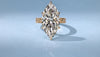
Should You Insure Your Lab-Grown Diamond or Moissanite Jewelry?
Key Takeaways
- Lab-grown diamonds and moissanite jewelry can be insured just like mined diamonds, with no difference in how policies treat the stone's origin.
- Standard homeowners insurance typically caps jewelry payouts at $1,000 to $2,500 and excludes accidental loss or mysterious disappearance.
- Dedicated jewelry insurance generally costs 1% to 2% of the appraised value per year, making it affordable for most budgets.
- A current professional appraisal is the foundation of any jewelry insurance policy and should be updated every 2 to 3 years.
- Comprehensive policies cover theft, accidental loss, stone damage, and worldwide protection, giving you genuine peace of mind for daily wear.
Buying a lab-grown diamond ring or moissanite ring is an exciting milestone, but it also represents a meaningful financial and emotional investment. Many people assume their standard homeowners or renters policy will automatically cover their new jewelry if something goes wrong. Unfortunately, those basic policies often have strict limits that fall far short of the actual replacement cost. Whether you chose a lab-created diamond for its ethical origins or moissanite for its incredible fire, protecting that piece requires a dedicated approach. Here is everything you need to know about why specialized jewelry insurance is essential and how to get the right coverage for your collection.
What Is Jewelry Insurance?
Jewelry insurance is a specialized policy designed to protect your valuable pieces from risks that standard coverage often overlooks. A typical homeowner's or renter's policy does include some personal property coverage, but it imposes strict sub-limits on jewelry, often capping payouts between $1,000 and $2,500 per piece for the entire category. A dedicated jewelry policy, or a scheduled rider added to your existing plan, provides coverage up to the full appraised value of each individual piece.
The difference matters more than most people expect. Lose a $6,000 lab-grown diamond engagement ring under a basic homeowners policy, and you might recover $1,500. With a standalone jewelry policy, you recover the full replacement cost. That gap is exactly why so many jewelry owners, including those who chose lab-grown or moissanite pieces, choose to insure their jewelry separately.
Do You Need Insurance for Lab-Grown Diamond or Moissanite Jewelry?
The short answer is yes. Lab-grown diamonds and moissanite pieces carry real financial value and deep sentimental meaning. They face the same daily hazards as any other fine jewelry, and replacing them out of pocket can be a painful experience.
Protecting Against Loss and Theft
Loss and theft are the most common reasons people file jewelry claims. A ring can slip off during a swim, a necklace can be taken from a hotel room, or a bracelet can vanish somewhere between the gym and the car. Specialized jewelry insurance covers these exact scenarios, ensuring you are not left without recourse when the unexpected happens.
Coverage for Accidental Damage
Even the hardest gemstones are not indestructible. A sharp knock against a countertop can chip a stone, and daily wear gradually loosens prongs. Dedicated policies often cover repairs, such as re-tipping a worn prong or replacing a lost side stone, which standard homeowners coverage excludes entirely.
Why Everyday Jewelry Still Needs Protection
Pieces worn daily are exposed to hazards that occasional jewelry never encounters. From cleaning products to gym equipment, your hands come into contact with dozens of surfaces and substances each day. Insurance creates a safety net so you can wear your jewelry freely, without constant worry about what might happen.
Peace of Mind for Engagement Rings and Wedding Jewelry
Engagement rings and wedding bands carry sentimental weight that no price tag can fully capture. While insurance cannot restore the emotional connection to the original piece, it can fund a faithful recreation. That assurance alone is worth the modest annual premium.
Is Lab-Grown Diamond Jewelry Worth Insuring?
Lab-grown diamonds are chemically, physically, and visually identical to mined diamonds, kind to the earth and kind to your budget. Because they deliver genuine diamond quality, they are absolutely worth protecting.
Understanding the Value of Lab-Grown Diamonds
Lab-created diamonds can cost up to 73% less than mined diamonds of comparable quality, which means buyers often choose larger, higher-quality stones for the same budget. A beautifully cut, 2-carat lab-grown diamond ring can still cost several thousand dollars. That investment deserves the same protection you would give any other luxury purchase.
Replacement Costs for Lab-Grown Diamond Rings
Replacing a lab-grown diamond ring involves more than sourcing a new center stone. The metal setting, side stones, and the artisan craftsmanship required to handcraft the piece all factor into the total replacement cost. Insurance covers the whole piece, not just the diamond, ensuring you can restore the ring to its original quality.
Why Sentimental Jewelry Matters Beyond Price
The value of an engagement ring or a meaningful gift extends far beyond its market price. These pieces mark milestones, celebrate love, and carry memories. Insurance provides a way to honor that significance by ensuring the piece can be rebuilt if something goes wrong.
Common Risks for Daily-Wear Jewelry
Prongs catch on fabrics, stones work loose over time, and rings are easily misplaced during busy days. A comprehensive policy covers these everyday risks, keeping your lab-created diamond jewelry protected through every moment that makes it meaningful.
Should You Insure Moissanite Jewelry?
Moissanite is prized for its exceptional fire and durability. It is a popular choice for engagement rings and fine jewelry, and while it is more affordable than diamonds, it still represents a real investment worth protecting.
The Cost of Replacing Moissanite Rings
A custom moissanite ring set in gold or platinum carries a meaningful replacement cost. Losing it and replacing it out of pocket can put a real dent in your finances. Insurance covers that cost, making it a practical choice even for more budget-conscious pieces.
Protecting Custom Moissanite Jewelry Designs
Many moissanite pieces are bespoke, featuring intricate details and unique settings that require skilled artisan craftsmanship to recreate. Without insurance, replacing a custom design means paying for both the materials and the labor to rebuild something that was made specifically for you.
Insurance Considerations for Travel and Daily Wear
Traveling with jewelry increases the risk of loss or theft considerably. A dedicated jewelry policy typically provides worldwide coverage, protecting your moissanite pieces whether you are at home or on the other side of the world.
Why Affordable Jewelry Can Still Benefit From Coverage
Even if a single piece is relatively affordable, the cumulative value of a collection adds up quickly. Insurance provides a cost-effective way to protect everything you own, so one unfortunate incident does not become a significant financial setback.
What Does Jewelry Insurance Typically Cover?
Standalone jewelry insurance is designed to be comprehensive. Here is what most policies include.
Theft and Burglary
If your jewelry is stolen from your home, a hotel, or while you are wearing it, a specialized policy covers the replacement cost up to the appraised value.
Accidental Loss
Dropping a ring down a drain, leaving a bracelet at a restaurant, or losing an earring during a walk, these scenarios are all covered by dedicated jewelry insurance. This is a major advantage over most homeowner's policies, which frequently exclude accidental loss.
Stone Damage and Loose Settings
Chipped stones and loosened settings are among the most common jewelry issues. Many policies cover the cost of repairs, keeping your piece looking and functioning as it should.
Ring Repairs and Replacement
If a piece is damaged beyond repair or lost entirely, insurance covers the cost of a replacement. Some insurers work directly with your preferred jeweler to recreate the item as closely as possible.
Worldwide Coverage Options
For those who travel, worldwide coverage is not a luxury but a necessity. Most standalone policies protect your jewelry anywhere in the world, giving you confidence whether you are on a honeymoon or a business trip.
What Jewelry Insurance Usually Does Not Cover
Every policy has exclusions. Knowing them helps you care for your jewelry appropriately and set realistic expectations.
- Intentional Damage: Policies are designed for accidental and unforeseen events. Damage that is deliberately inflicted falls outside the scope of coverage.
- Normal Wear and Tear: Gradual deterioration, such as minor scratches on a metal band or the slow thinning of prongs over years of wear, is considered normal and is not covered. This is why routine maintenance matters.
- Manufacturer Defects: Structural flaws that originate from how the jewelry was made are typically excluded. These issues should be addressed through the jeweler's warranty rather than an insurance claim.
- Unreported Losses: Failing to report a theft to the police or a loss to your insurer promptly can result in a denied claim. Most policies require timely notification, so act quickly if something happens.
How Much Does Jewelry Insurance Cost?
The cost is far lower than most people expect, especially compared to the potential out-of-pocket expense of replacing a piece.
Average Insurance Costs for Lab-Grown Diamond Rings
Jewelry insurance generally costs between 1% and 2% of the item's appraised value per year. For a lab-grown diamond ring appraised at $5,000, the annual premium typically ranges from $50 to $100. Some specialized insurers offer rates as low as 0.5% to 1.5%, bringing that same ring down to as little as $25 to $75 annually.
Insurance Pricing for Moissanite Jewelry
The pricing structure for moissanite jewelry mirrors that of diamonds. A moissanite ring valued at $3,000 would generally cost $30 to $60 per year to insure. For the protection it provides, that is a modest annual expense.
Factors That Affect Insurance Premiums
Your location, the value of the jewelry, and the specific coverage options you select all influence your premium. Areas with higher crime rates may see slightly elevated rates. Choosing a policy with a deductible or storing pieces in a home safe can bring the cost down further.
Deductibles and Coverage Limits
A policy with a deductible lowers your annual premium but means you cover a portion of the replacement cost if you file a claim. Policies with a $0 deductible cost a little more each year but provide complete financial coverage when you need it most.

How Jewelry Insurance Value Is Determined
Accurate coverage starts with knowing the true value of your jewelry.
Jewelry Appraisals Explained
An appraisal is a detailed document prepared by a certified gemologist that describes the jewelry and assigns it a replacement value. It covers the metal type and weight, the stone's cut, color, clarity, and carat weight, along with the overall craftsmanship. This document is the foundation of your insurance policy.
Replacement Value vs Retail Value
Insurance appraisals focus on replacement value, which is the cost to purchase or recreate an item of a similar kind and quality in the current market. This figure is often higher than the retail price you originally paid, because it accounts for current market conditions and the labor required to reproduce the piece.
Why Certification Matters
Grading reports from recognized laboratories, such as the IGI (International Gemological Institute) or GIA (Gemological Institute of America), verify the quality and characteristics of your lab-grown diamond or moissanite. These certificates support the appraisal and give insurers confidence in the stated value.
Updating Your Jewelry Appraisal Over Time
The prices of precious metals and gemstones shift with the market. Most insurance professionals recommend updating your appraisal every two to three years to ensure your coverage reflects current replacement costs. Some insurers automatically adjust coverage values annually, removing the need to track this yourself.
Best Types of Jewelry to Insure
Almost any piece of jewelry can be insured, but certain items carry higher financial value or greater daily risk, making coverage especially worthwhile.
- Engagement Rings: Worn every day and often the most valuable piece in a person's collection, engagement rings are the most commonly insured type of jewelry.
- Wedding Bands: Like engagement rings, wedding bands are subject to constant wear and the associated risks of damage or loss.
- Eternity Rings: With stones set all the way around the band, eternity rings carry a higher value and greater vulnerability to damage.
- Tennis Bracelets: The delicate links and numerous individual stones in a tennis bracelet make it susceptible to catching, breaking, and losing stones.
- Custom Jewelry Pieces: Bespoke designs require specialized craftsmanship to recreate. Insurance ensures you have the funds to commission a replacement that honors the original.
- Family Heirloom Jewelry: Heirlooms carry irreplaceable sentimental value. While insurance cannot restore the history behind a piece, it can provide the means to restore or recreate it for future generations.
Jewelry Insurance for Engagement Rings
Engagement rings deserve particular attention when it comes to insurance, given their combination of high value, daily use, and emotional significance.
Why Engagement Rings Are Commonly Insured
The financial investment, the sentimental weight, and the constant exposure to daily hazards make engagement rings the most frequently insured category of jewelry.
Insurance for Daily-Wear Rings
Rings worn every day encounter more hazards than pieces kept safely in a box. Insurance provides the necessary protection for these high-exposure items.
Travel Protection for Engagement Jewelry
Traveling with an engagement ring introduces risks that do not exist at home. A policy with worldwide coverage lets you wear your ring on vacation without anxiety.
Protecting Custom Lab-Grown Diamond Rings
If your ring features a custom setting or a unique lab-created diamond, insurance ensures you can afford the artisan craftsmanship needed to recreate it exactly as it was, from Surat to your finger.
How to Insure Lab-Grown Diamond or Moissanite Jewelry
The process is straightforward and can be completed in a few simple steps.
Getting a Professional Jewelry Appraisal
Start by obtaining a detailed appraisal from a certified gemologist. This document establishes the replacement value of your piece and is required by most insurers.
Collecting Diamond or Moissanite Certificates
Gather any grading reports or certificates that came with your stones. These documents verify quality and support the appraised value during the claims process.
Taking Detailed Jewelry Photos
Photograph your jewelry from multiple angles in good lighting. These images are invaluable if you ever need to file a claim or have the piece recreated.
Choosing the Right Insurance Provider
Compare quotes from specialized jewelry insurers with those from your homeowners insurance provider. Look for policies that include mysterious disappearance, worldwide coverage, and a low or $0 deductible.
Understanding Your Coverage Terms
Read your policy carefully before signing. Know the deductible, the coverage limits, and any exclusions, so there are no surprises if you ever need to make a claim.
Tips for Protecting Your Jewelry Beyond Insurance
Insurance is your financial safety net, but good habits can prevent damage and loss before they happen.
- Proper Jewelry Storage: Store jewelry in a clean, dry place when you are not wearing it. A fabric-lined box with separate compartments prevents pieces from scratching each other and keeps everything organized.
- Routine Cleaning and Maintenance: Clean your jewelry regularly with mild soap and warm water. Beyond keeping the stones brilliant, this gives you a chance to inspect the piece for loose stones or worn prongs.
- Removing Jewelry During Physical Activities: Take off rings and bracelets before working out, gardening, or heavy cleaning. Physical activity is one of the most common causes of accidental damage.
- Scheduling Professional Inspections: Have your jewelry checked by a professional jeweler at least once a year. They can identify loose stones, worn prongs, and other potential problems before they result in a loss.
Your vision. Your diamond. Your ring.
Work with Diamondrensu experts to create a piece that’s uniquely yours.
Frequently Asked Questions (FAQs)
Should you insure a lab-grown diamond ring?
Yes. A lab-grown diamond ring represents a meaningful financial investment and faces the same risks as any other fine jewelry. Insurance provides the protection you need to wear it with confidence.
Is moissanite jewelry worth insuring?
It is. Even though moissanite is more affordable than diamonds, custom settings and quality stones still carry a real replacement cost. Insurance covers that cost at a modest annual premium.
How much does jewelry insurance cost per year?
Most policies cost between 1% and 2% of the appraised value annually. A $4,000 ring would typically cost $40 to $80 per year to insure.
What does jewelry insurance cover?
Comprehensive jewelry insurance covers theft, accidental loss, mysterious disappearance, and damage. Many policies also include worldwide coverage and preventive maintenance.
Does homeowners' insurance cover engagement rings?
Homeowners insurance provides limited coverage for jewelry, typically capping payouts at $1,000 to $2,500. It also tends to exclude accidental loss and mysterious disappearance. A dedicated policy or scheduled rider offers far more complete protection.
Can lab-grown diamonds be insured like mined diamonds?
Yes. Insurance companies treat lab-grown diamonds exactly the same as mined diamonds. Policies are based on the appraised replacement value, not the stone's origin.
Do you need an appraisal to insure jewelry?
Yes. A professional appraisal establishes the replacement value of your piece, which determines your coverage limits and annual premium.
Is jewelry insurance worth it for everyday rings?
Absolutely. Rings worn daily face the highest risk of damage and loss. Insurance provides peace of mind, knowing that your most-worn pieces are protected.
What happens if I lose my engagement ring?
With comprehensive jewelry insurance, you file a claim, and the insurer covers the cost to replace the ring with one of a similar kind and quality, up to the appraised value, minus any applicable deductible.
References
- Lemick, D. “New Survey Reveals Most Homeowners Are Leaving Valuable Jewelry Underprotected.” Star Gazette, March, 2026. May 19, 2026. https://www.stargazette.com/press-release/story/46711/new-survey-reveals-most-homeowners-are-leaving-valuable-jewelry-underprotected/.
- “What Does Jewelry Insurance Cover?” Jewelers Mutual. May 19, 2026. https://www.jewelersmutual.com/.
- Lemick, D. “Lab-Grown Diamonds Now Cost 73% Less Than Natural Diamonds. What That Means for Buyers in 2026.” Guardian International News Service, March, 2026. May 19, 2026. https://riograndeguardian.com/premium/stacker/stories/lab-grown-diamonds-now-cost-73-less-than-natural-diamonds-what-that-means-for-buyers-in-2026,61555?.
- Lemick, D. “How Much Does Jewelry Insurance Cost?” BriteCo., April, 2026. May 19, 2026. https://brite.co/blog/how-much-does-jewelry-insurance-cost/.

Leave a comment
Please note, comments must be approved before they are published.