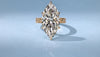
A Guide to Selecting the Ideal Diamond Necklace
A diamond necklace has a way of doing two jobs at once: it complements an outfit and quietly marks a moment. That is why people keep returning to it for graduations, anniversaries, promotions, and gifts. To understand what is a diamond necklace, it helps to strip it down to basics: it’s a necklace designed around one or more diamonds, set in precious metal, meant to catch light near the face and neckline.
Of course, shopping can feel less romantic once the practical questions arrive. Shoppers often start with price - how much does a diamond necklace cost, and then spiral into details about cuts, chain lengths, and whether the piece is truly authentic. With the right knowledge, the process becomes much simpler.


How to Find the Perfect Diamond Necklace
The right necklace is rarely the flashiest one in the case. It’s the one that fits the wearer’s life. A person who dresses most days may love a delicate pendant that disappears under a sweater but gleams at dinner. Someone who attends formal events may prefer a more substantial piece that holds on its own against an evening gown.
This is also where meaning enters the conversation. People sometimes ask what does a diamond necklace mean, and the honest answer is that it means whatever the giver, or wearer needs it to mean. For some, it’s a symbol of commitment. For others, it’s a tangible reminder of resilience after a hard season. The best choices reflect that story in a way that feels natural, not forced.
What Matters Most When Selecting a Diamond Necklace?
There are a few things that separate a necklace that gets worn from one that stays in its box.
First is wearability. A necklace should sit comfortably, lie flat, and feel secure when moving. If the pendant flips constantly or the chain snags, it will not become a favorite.

Second is craftsmanship. A beautiful diamond can look underwhelming in a setting that’s too heavy, poorly balanced, or finished roughly. Smooth edges, consistent prongs, and a clasp that clicks confidently are small details that matter every day.
Most shoppers hit the same point in the process: they want something stunning, but they also want to feel good about what they paid. That’s why the question of how much a diamond necklace costs comes up early. The truth is, the price can swing a lot depending on the center stone, the total carat weight, the metal, and even how the necklace is made. A better approach is to start with what the wearer will notice most, bigger look, brighter sparkle, or a specific style, and use the budget to support that choice rather than letting a random price tag make the decision.
How to Choose The Perfect Diamond
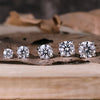
A diamond worn on the neck is seen differently from a diamond on a hand. It sits closer to the face, often in motion, and is noticed in quick, real-life glances rather than under bright jewelry-counter lighting. That makes overall brilliance and balance more important than obsessing over specs that are difficult to detect without magnification.


The Four Cs
Cut: Cut is the main driver of sparkle. A well-cut diamond returns light cleanly and looks lively even in softer lighting, important for a pendant that moves with every step.
Color: Near-colorless diamonds tend to look crisp in white metals, while slightly warmer stones can be gorgeous in yellow or rose gold. The goal is harmony, not perfection.
Clarity: For necklaces, “eye-clean” is often the sweet spot. If inclusions can’t be seen without magnification, the diamond usually looks bright and beautiful in everyday wear.
Carat: Carat influences size, but design can change perceived size dramatically. A halo, for example, can make a center diamond look larger, while a bezel can add sleek presence without relying on extra carat weight.


Types of Diamond Necklaces
Diamond necklaces aren’t one-size-fits-all. Some are barely-there and subtle, and others are meant to be noticed the second someone walks into a room.
The most familiar option is the solitaire pendant: one diamond on a simple chain. It’s popular for a reason: it works with a T-shirt, a dress, and never feels like “too much.” A halo pendant has a little more presence because the center diamond is framed by smaller stones, which adds extra sparkle and can make the center look larger without jumping to a much bigger carat weight.
If the goal is drama, a tennis necklace does that effortlessly. It’s a full line of diamonds that catches light from every angle and usually feels more “event” than “everyday,” though some people wear it as a signature.
Then there are the in-between styles that are easy to live in: station necklaces place small diamonds along the chain, so it looks polished but not flashy, and it layers nicely with other chains. Bar and geometric designs bring clean lines, a little edge, and a more contemporary feel.
The style choice matters because it changes how often the necklace actually gets worn. When the design matches the wearer’s personality and routine, it becomes a go-to piece instead of something saved for “someday.”


How Long Should Your Necklace Chain Be?
Chain length is one of the most overlooked decisions and quite noticeable once the necklace is worn.
A 16-inch chain sits higher at the base of the neck and feels fashion-forward, especially with open collars. An 18-inch chain is the most common “sweet spot,” typically resting at the collarbone and flattering many necklines. A 20-22-inch chain drops a little lower, which makes it an easy choice for layering and for necklines that need a bit of space - like V-necks, button-downs, and everyday work outfits. Anything longer (around 24 inches and up) has a more laid-back feel and tends to sit perfectly over sweaters or higher necklines without getting lost.
If the necklace needs to work with a lot of different looks, an adjustable chain makes life easier. It lets you move the pendant up or down, depending on the neckline, instead of feeling stuck with one length.
Conclusion
A diamond necklace is worth the effort it takes to choose well. When the style matches the wearer, the diamond looks more lively and the craftsmanship feels solid - the piece becomes part of daily life, not just a special-occasion accessory. And while shoppers naturally wonder how much a diamond necklace is worth, the real value tends to show up over time: in the number of times it’s reached for, the memories it anchors, and the quiet confidence it adds.

FAQs
Q: What are the key factors to consider while selecting a diamond necklace?
The best picks usually come down to how the necklace will be worn. It should feel comfortable, sit nicely on the neck, and have a setting that looks sturdy, not delicate in a way that seems risky. Diamond sparkle matters too, and that’s largely driven by cut. Metal choice and chain length also shape the overall look. And when price comparisons start, it helps to remember that how much a diamond necklace costs can change quickly depending on the diamond details, the total carat weight, and how the piece is made.
Q: What Various Designs Of Diamond Necklaces?
Most shoppers end up choosing from a handful of staples: a solitaire pendant for everyday wear, a halo pendant for extra sparkle, a tennis necklace for a bigger statement, or a station necklace for something light and layer-friendly. There are also bar styles and clusters that feel more modern. The “right” design is usually the one that fits the wearer’s daily style, something that won’t feel too formal to actually use.
Q: What Metal Should You Pair With A Diamond?
Platinum and white gold give diamonds a bright, crisp look. Yellow gold adds warmth and reads more classic, while rose gold feels softer and more modern. The simplest rule is this: the best metal is usually the one the wearer already likes and wears most often, since it will match the rest of their jewelry without effort.
Q: How long should the chain necklace be?
For many people, 18 inches lands in that “easy to wear with almost anything” zone. A 16-inch chain sits a bit higher and feels a little more modern, while 20–22 inches hangs lower and leaves room for layering. If the buyer isn’t sure, an adjustable chain takes the guesswork out of it and gives the wearer options.
Q: Where should you buy a diamond necklace?
When it comes to shopping, people also want to know where to buy a diamond necklace without worrying they’re getting burned. The safest route is a reputable jeweler with clear return terms and straightforward paperwork. If authenticity is a concern, how to tell if a diamond necklace is real usually comes down to a few basics: proper metal stamps, solid setting work, any grading documents that match the piece, and, when in doubt, a quick check by a trusted jeweler.

Leave a comment
Please note, comments must be approved before they are published.