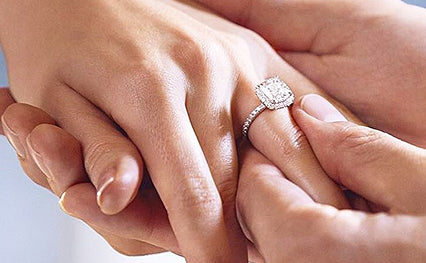
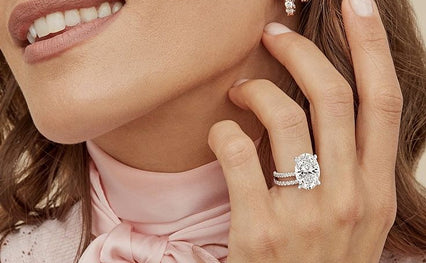
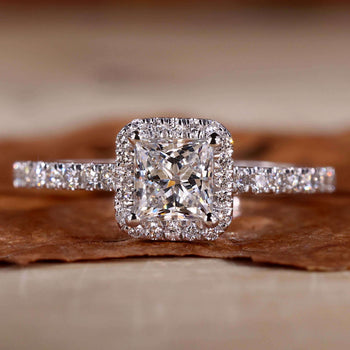
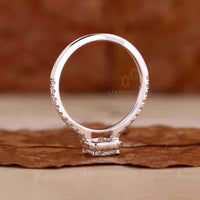
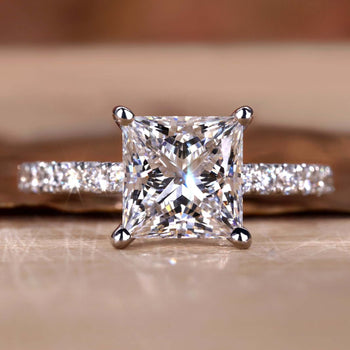
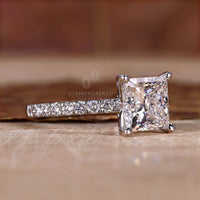
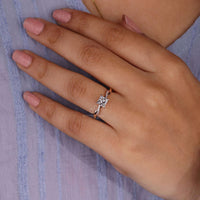
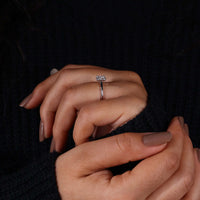
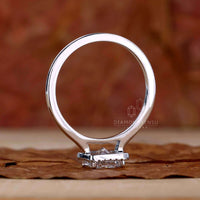
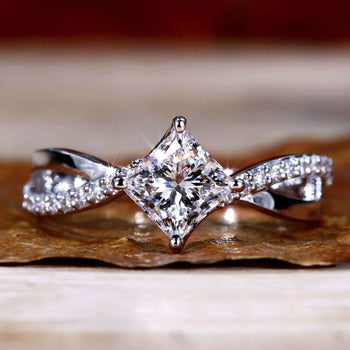
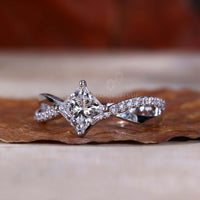
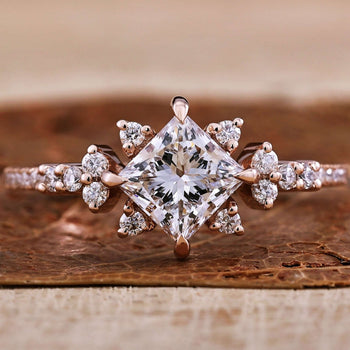
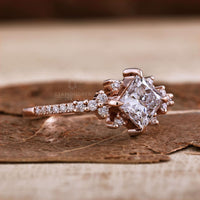
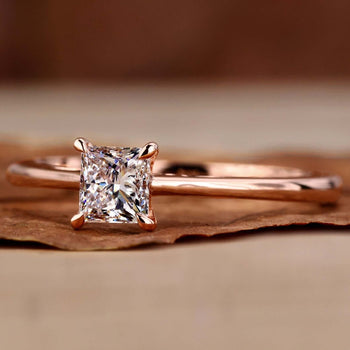
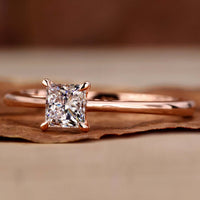
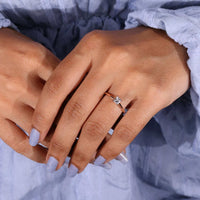
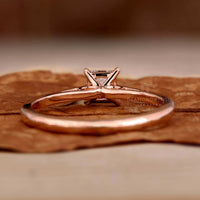
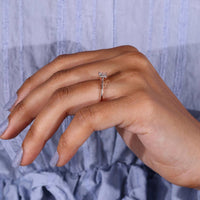
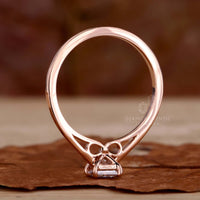
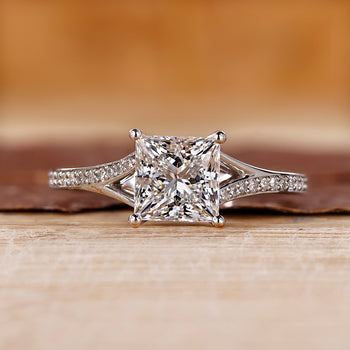
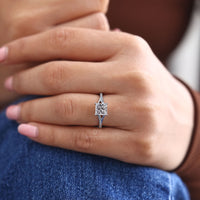
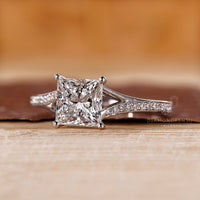
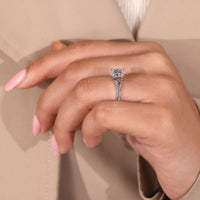
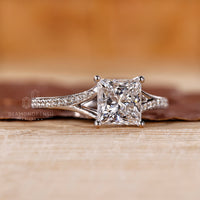
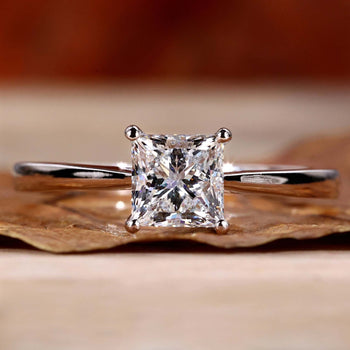
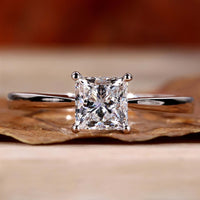
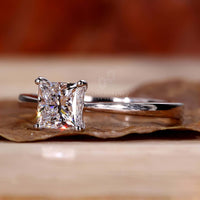
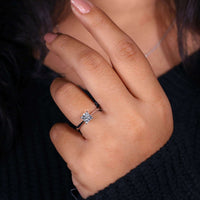
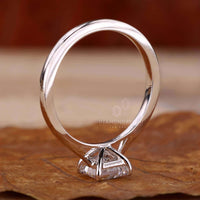
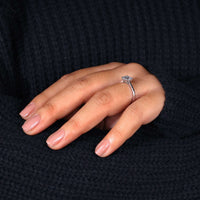
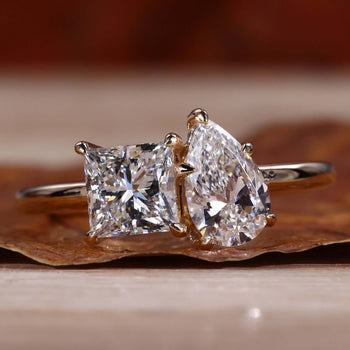
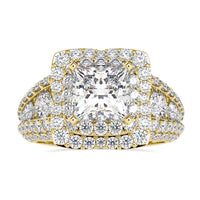
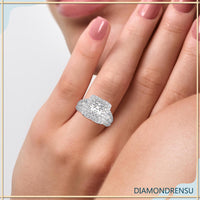
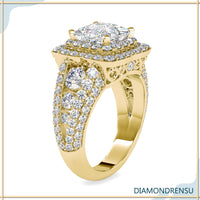
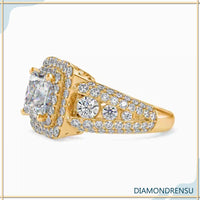
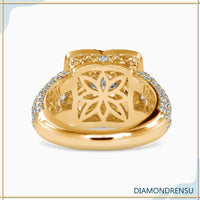
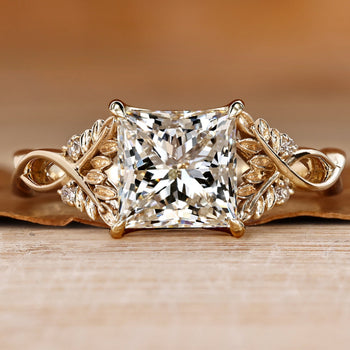
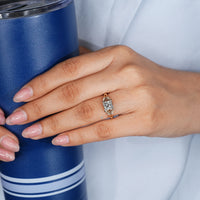
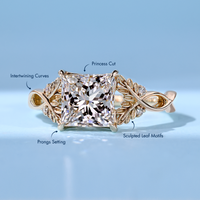
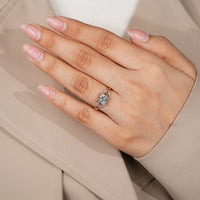
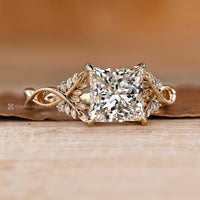
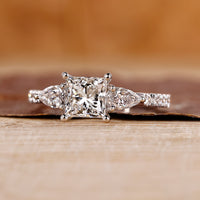
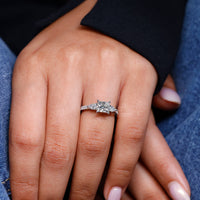
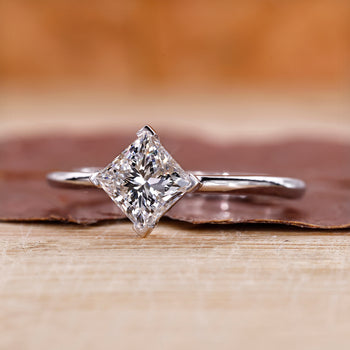
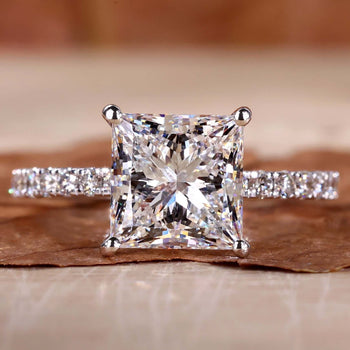
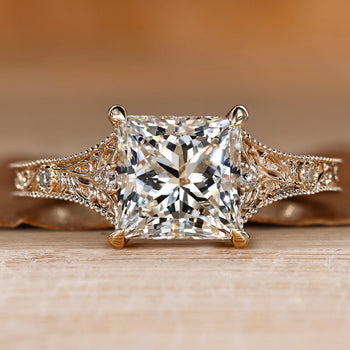
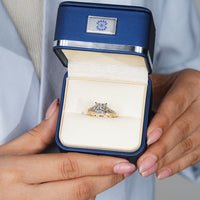
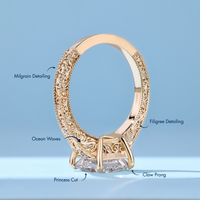
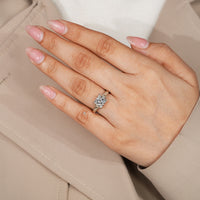
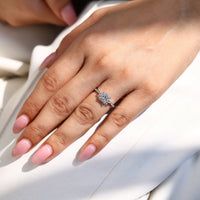
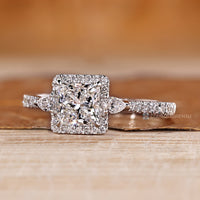
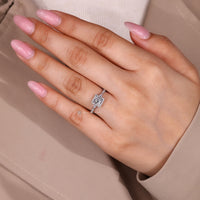
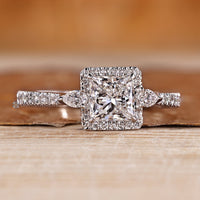
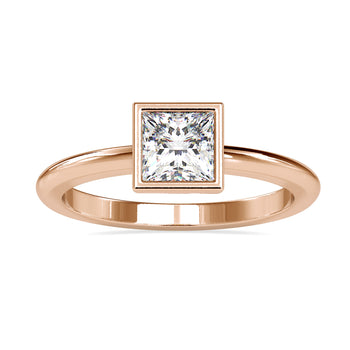
The princess cut is one of the few diamond shapes that delivers round-cut brilliance inside a square, geometric outline. That's why so many couples choose a princess cut lab grown diamond engagement ring. At Diamondrensu, every stone you see is lab grown, ethically made, and IGI certified before we ship it to our customers. In our collection, you'll find solitaires, pavé bands, halo settings, and channel sets, each one designed to look beautiful and wear well for decades.
What is a Princess Cut Lab Grown Diamond?
Each of our princess cut lab grown diamonds starts its journey in a controlled laboratory environment under the same heat and pressure conditions that form diamonds deep underground. These diamonds have the same hardness and optical properties. They also exhibit the same fire and brilliance, which makes them visually similar to mined diamonds. The only real difference is where it comes from and what you pay for it.
The Princess Cut - Square Shape and Brilliant Faceting
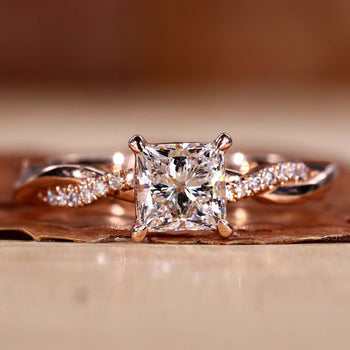
The princess cut has a square or near-square outline with sharp, uncut corners. Beneath that clean silhouette sits a complex facet arrangement that splits incoming light into dozens of separate reflections. That combination of shape and light output is what makes this cut one of the most popular choices for engagement rings.
Princess Cut vs. Cushion Cut vs. Radiant Cut
All three shapes belong to the brilliant-cut family, but each one handles light differently. The princess cut has crisp, straight edges and fires light back in tight, geometric bursts, bright and direct rather than scattered. The cushion cut has softened corners and a warmer, chunkier flash. The radiant cut borrows the princess cut's sharp outline but uses the cushion's softer light pattern.
Princess Cut Lab Grown Diamond Ring Styles at Diamondrensu
Diamondrensu offers lab grown princess cut diamonds across a range of settings, from stripped-back solitaires to more detailed band designs.
Solitaire Princess Cut Lab Grown Diamond Ring
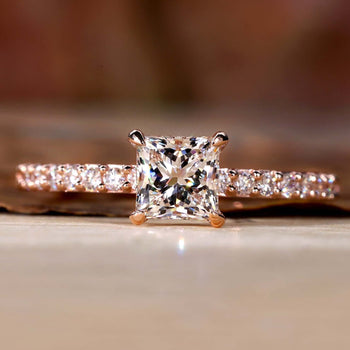
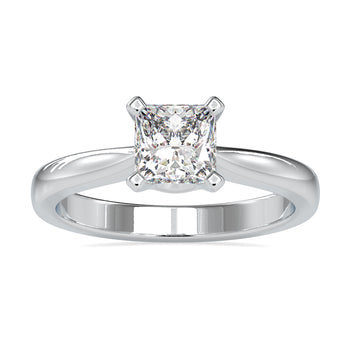
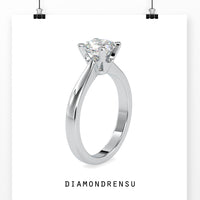
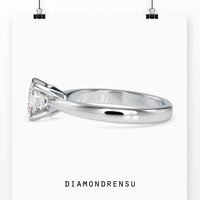
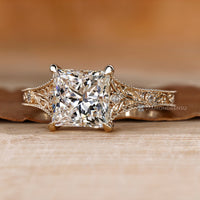
The solitaire is the most direct way to wear a princess cut. A princess cut lab grown diamond ring in this setting puts every facet on full display.
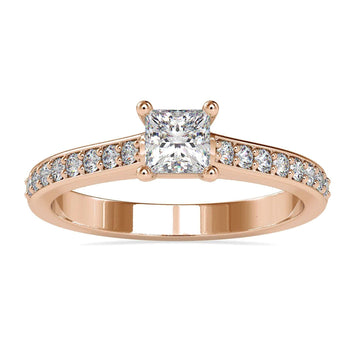
Princess Cut With Pavé Band
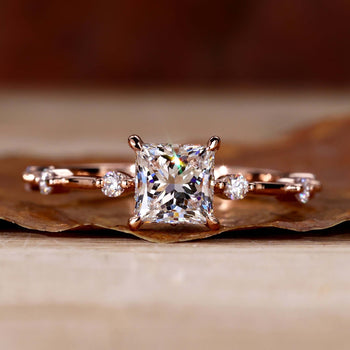
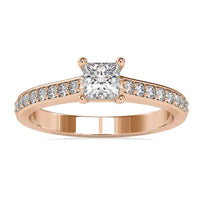
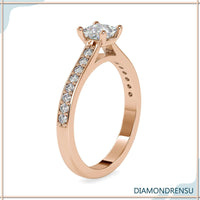
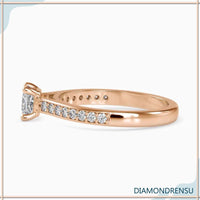
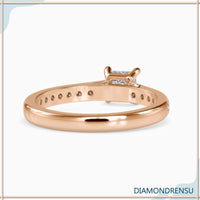
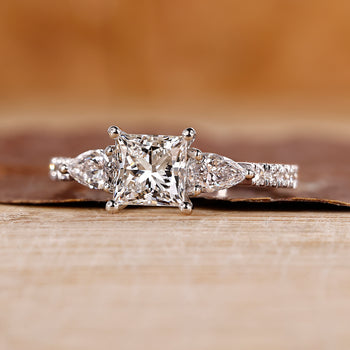
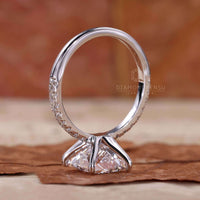
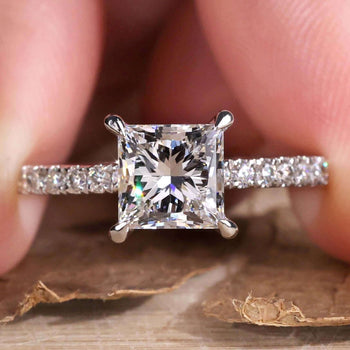
In this setting, a pavé band runs small accent diamonds along the sides of the shank. This design adds light and movement around the center stone without competing with it.
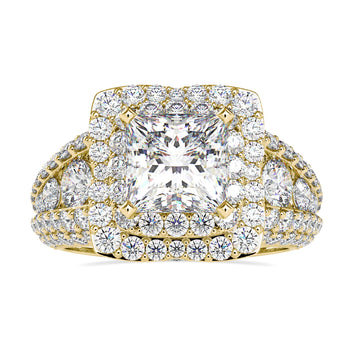
Princess Cut Halo Engagement Ring
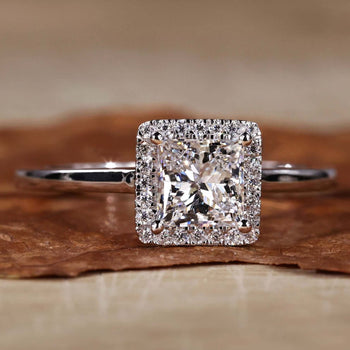
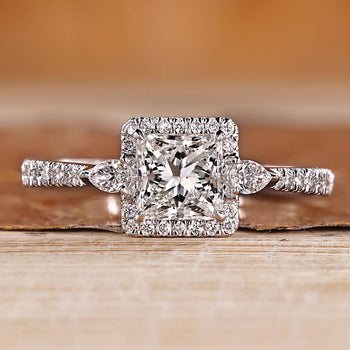
A halo places a frame of smaller diamonds around the perimeter of the center stone. It gives the princess cut a larger visual footprint and adds a layer of sparkle around its sharp edges.
Channel Set Princess Cut Ring
A channel setting embeds a row of diamonds directly into the band, flush on both sides with no exposed prongs. The princess cut center stone sits above this linear band, creating a sharp contrast between the detailed shank and the prominent stone above it.
How to Choose Your Princess Cut Lab Grown Diamond Ring
Choosing a lab grown diamond engagement ring comes down to five practical decisions.
Square vs. Slightly Rectangular - Length-to-Width Ratio
The princess cut is typically square, but small variations in the length-to-width ratio change the overall look. A ratio between 1.00 and 1.05 reads as square on the hand. Anything beyond 1.10 starts to look noticeably rectangular. We will advise you to check the certificate, not just the listing image.
Corner Protection - Setting Styles that Guard the Points
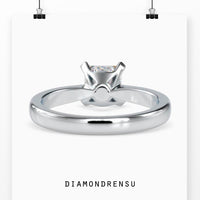
The four corners of a princess cut are the most exposed part of the stone. A V-prong setting places a small prong directly over each corner point, which keeps them protected without covering the facets. A bezel setting offers full perimeter coverage and suits active wearers who want maximum protection.
Color and Clarity Recommendations
For a lab grown princess cut diamond ring, G or H color sits in the sweet spot. The square facet pattern distributes color evenly across the stone, so you don't need to go as high as D or E to get a white-looking diamond. For clarity, VS2 or SI1 covers most buyers well. Inclusions in a princess cut tend to concentrate near the corners, so check where they sit before you commit.
Metal Type
White gold and platinum both complement the princess cut's sharp geometric outline. Yellow gold works well, too, though it can make the color of the stone appear slightly warmer. If you choose yellow or rose gold, consider stepping up one color grade to compensate.
IGI Certification at Diamondrensu
Every lab grown princess cut diamond at Diamondrensu comes with an IGI certificate. This document records the stone's cut, color, clarity, and carat weight independently. It also confirms the stone is lab grown and of the highest quality so you don't take anyone's word for what you're buying.