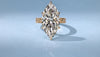
Lab-Grown Diamond Necklaces Buying and Styling Guide
Key Takeaways
- Lab-grown diamond necklaces use real diamonds with chemical, physical, and visual properties identical to mined diamonds; only the origin differs.
- Expect strong value. Lab-created diamond necklaces typically cost 30–70% less than mined pieces, letting you choose a larger carat weight or higher quality within the same budget.
- Pick styles you love, and then fine-tune the 4 Cs, chain style, length, and metal to match your look.
- Match necklace length and style to your neckline. Chokers flatter strapless looks; princess length suits most outfits; matinee and opera lengths complement high necks.
- Buy from a trusted jeweler who provides independent certification from the International Gemological Institute (IGI), the Gemological Institute of America (GIA), or the Gem Certification and Assurance Lab (GCAL).
A diamond necklace is one of the most versatile additions to a jewelry wardrobe. It frames the face, brightens everyday outfits, and can transform an evening look in an instant. More shoppers now choose lab-grown diamond necklaces for their beauty, value, and ethics, without giving up a single facet of sparkle. They’re becoming more popular than ever—especially since lab-grown diamond necklaces have become so accessible.
What Is a Lab-Grown Diamond Necklace?
Lab-grown diamonds are real diamonds formed in carefully controlled laboratory environments. During this process, carbon atoms bond under intense heat and pressure to form a rough crystal, similar to how diamonds form deep within the earth over millions of years. After growth, expert cutters shape, facet, and polish each diamond to transform it into a beautiful gem.
Are Lab-Grown Diamond Necklaces Real?
Lab-grown diamonds are chemically, physically, and visually identical to mined diamonds. Both are pure carbon, both rank a 10 on the Mohs hardness scale, and both display the same hallmark radiance when well-cut. The difference is origin: a lab-created diamond forms in weeks or months, while a mined diamond formed billions of years ago.
Lab-Grown vs. Natural Diamond Necklaces
For day-to-day wear, both lab-grown and mined diamond necklaces offer the same shimmer, durability, and timeless appeal. However, they cost considerably less, which lets you choose a higher carat weight or finer quality without stretching your budget. If you value transparency, sustainability, and careful craftsmanship, lab-grown diamonds offer a modern path to luxury without drawbacks.
Why Choose a Lab-Grown Diamond Necklace?
Lab-grown diamonds offer significant benefits. They’re conflict-free by nature, avoid the violence and exploitation tied to traditional mining, and require far less water and energy to produce.
Exceptional Value for Money
Lab-grown diamond necklaces typically cost 30–70% less than mined equivalents. That price advantage means you can select a larger diamond, opt for an upgraded cut, or choose a more intricate setting while staying within budget.
Ethical and Sustainable Choice
Choosing a lab-created diamond supports a supply chain that is 100% conflict-free. Environmentally, lab-grown production uses about 85% less water and energy and causes zero land displacement compared to mining. That makes these diamonds an ethical luxury that feels as good as they look.
Identical Beauty and Durability
A lab-grown diamond’s sparkle is indistinguishable from that of a mined diamond because their properties are identical. Diamonds sit at the top of the Mohs scale, so a lab-grown diamond necklace can be worn daily without losing its luster.

Popular Styles of Lab-Grown Diamond Necklaces
From a petite solitaire that brightens your neckline to a high-carat tennis necklace for black-tie evenings, there’s a lab-grown diamond necklace for every moment. They come in almost every imaginable shape, size, and cut, so you can create a collection that covers both.
Solitaire Diamond Necklaces
A solitaire features a single diamond on a refined chain, timeless, versatile, and refined. Choose a prong setting if you love airy light return, or a bezel setting for a sleek, modern look with excellent protection. Solitaires layer beautifully with other chains and sit effortlessly with most necklines.
Tennis Diamond Necklaces
Tennis necklaces present a continuous line of matched diamonds that lie gracefully around the neck. The look is iconic and luxurious, and with lab-grown diamonds, a high total carat weight becomes far more accessible. Prioritize even stone matching, secure box clasps with a safety latch, and smooth articulation so the necklace drapes fluidly.
Halo Diamond Pendants
A halo surrounds the center diamond with a ring of smaller accents, amplifying its presence and creating a vintage-inspired glow. This style makes the center diamond appear larger without a jump in carat weight.
Station Diamond Necklaces
Station necklaces space diamonds along the chain for a soft, balanced sparkle. They work in every metal color and can be worn solo for subtle shine or layered with a solitaire or initials for a curated stack. Look for secure bezels, consistent spacing, and a sturdy yet silky chain.
Initial and Personalized Diamond Necklaces
Letters set with diamonds, nameplates, and meaningful symbols turn a necklace into a keepsake. These personalized designs are wonderful gifts for anniversaries, bridal parties, or any type of new milestone.
Heart, Pear, Oval, Emerald, and Round Diamond Pendants
Shape sets the mood. The round cut is classic and symmetrical, while ovals feel refined. Emerald shapes offer clean lines and a sophisticated style, pear brings playful movement and a subtle drop, and heart shapes are romantic and expressive. Choose the outline that matches your style, then pair it with a setting and chain that complete the look.
How to Choose the Right Lab-Grown Diamond Necklace
To choose the right lab-grown diamond necklace, you’ll want to assess a piece’s shape, weight, cut, and length. This helps you narrow down your options until the perfect piece is in your hand.
Select the Right Diamond Shape
Shape is about personality. If you favor timeless design, a round diamond is always in style. But, on the other hand, ovals introduce graceful length without feeling formal. Consider how each shape pairs with your wardrobe and whether you prefer soft curves or crisp edges.
Understand Diamond Carat Weight
Carat measures weight, not size, though larger weights usually appear bigger to the eye. For solitaire pendants, many shoppers choose 0.50-1.50 carats, while statement looks tend to land at 2 carats and above. Tennis necklaces are measured in total carat weight, commonly ranging from 5–20+ depending on budget and occasion.
However, you’ll want to keep balance in mind: heavier pendants benefit from thicker chains for comfort and longevity. Also note that some shapes, like ovals and pears, can appear larger face-up than a round of the same carat weight because of their elongated dimensions.
Evaluate Cut, Color, and Clarity
The 4 Cs (cut, color, clarity, and carat) work together. Cut is king for sparkle. For round diamonds, seek Excellent or Ideal cut grades for maximum brightness and life, but for fancy shapes (oval, emerald, pear, heart), aim for well-proportioned stones with very good symmetry and polish.
Don’t forget about the color, though. This measures how white a diamond appears. D–H grades offer a crisp look and strong value, but if you prefer yellow or rose gold, you can often drop to I–J while maintaining a pleasing warm-white appearance, as the metal’s hue complements the diamond.
Choose the Right Necklace Length
Length affects where your necklace sits and how it frames your neckline. Most typical lengths are:
- 14–16 inches (Choker/Collar): This sits at the base of the neck; perfect for strapless or open necklines and layering.
- 18 inches (Princess): This falls just below the collarbone; the most versatile, day-to-night length.
- 20–24 inches (Matinee): This skims the upper chest; refined and graceful, ideal for higher necklines.
- 24 inches and longer (Opera/Rope): This is dramatic and great for layering over dresses and sweaters.
If you are layering, vary lengths by about 2 inches to prevent tangling and to highlight each piece. Adjustable chains provide flexibility when switching outfits.
Pick the Best Chain Style
The right chain enhances comfort, durability, and the necklace’s overall character. You have several styles available to you, including:
- Cable chains: A classic, minimalist choice with round or oval links; versatile and strong for daily wear.
- Box chains: Square links create a sleek, modern look that resists kinking; great for small to medium pendants.
- Wheat chains: Interwoven links provide flexibility and a subtle shimmer; excellent for slightly heavier pendants.
- Curb chains: Flattened, interlocking links with a masculine edge; durable and bold.
- Rope chains: Twisted strands catch the light beautifully; choose a thicker gauge for weighty pendants.
- Satellite chains: Spaced bead accents add texture; lovely for delicate, layered looks.
Match chain gauge to pendant weight so the necklace wears comfortably and lasts.
Select Your Preferred Metal
Each metal color brings out a different mood. Your common options are:
- White gold: Sleek and icy; emphasizes brightness. Rhodium plating refreshes the finish over time.
- Yellow gold: Warm and classic; pairs beautifully with near-colorless diamonds for a timeless look.
- Rose gold: Romantic with a soft blush tone; complements all skin tones.
- Platinum: Hypoallergenic, naturally white, and very durable; a premium choice that feels substantial.
Consider lifestyle and maintenance preferences. If you prefer minimal upkeep and enhanced durability, platinum is an excellent option. If you love a touch of warmth, choose yellow or rose gold in 14k for improved hardness or 18k for richer color.
How to Match a Necklace to Your Style
Matching a necklace to your style involves an honest assessment of your wardrobe. Whether you’re looking for something for everyday wear or an elegant piece for a black-tie event, you need to understand how a piece can improve an outfit.
Everyday Wear
For daily outfits, opt for a petite solitaire or a delicate station necklace in 16–18 inches. Bezels offer smooth edges that will not catch on knits, while prong-set solitaires maximize radiance in crisp button-downs and tees. Choose a chain that feels comfortable and sturdy enough for frequent wear.
Office and Professional Looks
Keep it polished and minimal. A princess-length solitaire or a subtle station necklace sits neatly inside most necklines without distraction. White gold and platinum read modern and refined; yellow or rose gold add warmth without feeling ornate. If you layer, keep two necklaces at most and vary textures rather than competing focal points.
Weddings and Formal Events
With a halo pendant or a tennis necklace that brightens the entire look, you can drastically improve your evening attire. Match the metal to your dress details (cool tones with white metals; warm tones with yellow or rose gold). If your gown features intricate beading near the neckline, choose a refined, shorter pendant that does not compete.
Choosing the Right Necklace for Different Necklines
Even your neckline plays a role in how a necklace will appear.
V-Neck
Mirror the V shape with a pear or V-shaped pendant at 16–18 inches so the point lands just inside the neckline. The echoed angle lengthens the neck and looks intentional.
Round Neck
Complement the curve with a short pendant or a choker-style station necklace. A classic 18-inch solitaire sits just below the collarbone and works across blouses and knits.
Strapless
A choker or collar-length necklace frames bare skin beautifully. Consider a bezel-set solitaire or a petite tennis necklace for refined glamour.
High Neck
Choose length to add vertical balance. Matinee and opera lengths layer over fabric to create a long, elegant line. Station necklaces and long pendants shine here.
Off-the-Shoulder
Draw attention upward with a choker or a shorter statement pendant. If your dress features ornate sleeves, keep the necklace simple so the focus stays near your face.
How to Buy a High-Quality Lab-Grown Diamond Necklace
Understanding how to choose a necklace is an excellent first step. However, when it comes to buying diamonds of any kind, it’s best to be safe rather than sorry. Fortunately, a reputable retailer can help you make an informed decision and work closely with you throughout the process to make things much easier.
Check Diamond Certification
Independent grading verifies what you are buying. For center diamonds over 0.50 carat, ask for an IGI, GIA, or GCAL report; these outline essential information and verify the sale as legitimate. Confirm the report number and, if applicable, laser inscription on the diamond’s girdle so you can match the diamond to its certificate.
Review Craftsmanship and Setting Quality
Examine prongs for even height and secure contact with the diamond’s crown. Bezel edges should be smooth and consistent, with a uniform rim, and chains should have clean soldered links and a reliable clasp. Fine finishing on the back of the pendant is another sign of careful workmanship.
Consider Budget and Value
Decide where to allocate budget for the most visible payoff. For pendants, prioritize cut and consider moving slightly lower in color or clarity if the diamond remains eye-clean and bright. For tennis necklaces, consistency across diamonds matters; balance total carat weight with uniformity and craftsmanship. This is another area where lab-grown diamonds shine, as you can purchase a larger, more vibrant stone for a much lower price than a similar-sized diamond.
Buy from a Trusted Jeweler
Choose a jeweler known for transparency, strong customer reviews, and clear policies. Look for detailed photos or videos, easy-to-understand specifications, and responsive communication. If you’re unsure, you can always reach out to the jeweler and ask about their sources, shipping, and post-purchase support.

Caring for Your Lab-Grown Diamond Necklace
Caring for a lab-grown diamond is often easier than most people think. It’s all about being proactive and gentle, and ensuring that you store the piece properly.
Cleaning Tips
Diamonds love light, so keep oils and lotions off the surface. Clean your necklace in warm water with a drop of mild dish soap and a soft brush, especially under the setting where residue collects. Rinse thoroughly and pat dry with a lint-free cloth.
At all times, you’ll want to avoid harsh chemicals and be cautious with ultrasonic cleaners. These can damage the gem and the metal, which can drastically reduce the necklace’s lifespan.
Proper Storage
Store necklaces separately to prevent tangling and scratches. A soft pouch or a dedicated compartment works well; for chains that tend to knot, consider a necklace hanger. When traveling, a structured jewelry case with individual slots protects delicate settings and clasps.
Routine Maintenance
Wipe your necklace with a soft cloth after wear to remove skin oils, and check clasps and jump rings periodically for wear. If you wear your necklace daily, a quick home clean every few weeks keeps it sparkling.
Professional Inspections
Schedule a professional checkup about once a year. A jeweler can tighten prongs, inspect chain links, refresh finishes, and deep clean the piece. This regular care can keep your necklace looking its best for years, if not decades.
Are Lab-Grown Diamond Necklaces Worth It?
Diamonds, lab-grown or mined, are excellent for everyday jewelry thanks to their top hardness. With normal care, your necklace is poised to become an heirloom.
However, a necklace’s true value lies in the joy you feel every time you wear it. Lab-grown diamonds deliver the same beauty and craftsmanship as mined diamonds with a friendlier price and a transparent origin. While resale markets can vary and jewelry is not a financial instrument, many customers prefer investing in visible quality today.
Why Buy Lab-Grown Diamond Necklaces from Diamondrensu?
When you buy from Diamondrensu, you’re not just working with a retailer. You’re partnering with a team as dedicated to finding your perfect piece as you are.
Certified Lab-Grown Diamonds
We provide independent grading (IGI, GIA, or GCAL where applicable) for center diamonds and are transparent about the 4 Cs and proportions. You will see exactly what you are getting—that means no surprises, only brilliance.
Handcrafted Fine Jewelry
Every Diamondrensu necklace is handmade in Surat, India, by artisans who bring generations of expertise to each piece. From diamond selection to setting and polish, our team finishes your necklace to a refined standard worthy of daily wear and milestone moments alike.
Wide Range of Styles and Customization
In our collection, you can find more than 50 necklace designs, from solitaires and halos to tennis and station styles, or customize one from scratch. And, with our customization services, you can adjust chain length, choose your metal, select your diamond shape and carat weight, and even add an engraving.
Worldwide Shipping and Customer Support
We ship globally and back your order with a 30-day return window. Our specialists are ready to answer questions, share videos and images, and guide you through every decision so your necklace arrives exactly as you imagined.
Conclusion
A lab-grown diamond necklace offers everything you love about diamonds. They bring radiance, durability, and timeless style, plus the ethics and value modern shoppers expect. They’re an excellent option that brings significant benefits, and they can improve almost any outfit—for any event.
When you’re ready to discover all of the joys that lab-grown diamond necklaces can deliver, Diamondrensu is here to help. Our artisans in Surat handcraft each piece from scratch, and our team will guide you 1-on-1 so your necklace arrives exactly as you envisioned. Check out our online selection today, or get in touch with our team for more details. Your perfect new necklace could be closer than you think.
Frequently Asked Questions
Are lab-grown diamond necklaces real diamonds?
Yes. Lab-grown diamonds are pure carbon with the same hardness, brilliance, and durability as mined diamonds. The origin is different; the beauty is the same.
Do lab-grown diamond necklaces last forever?
Diamonds rank a 10 on the Mohs scale, making them exceptionally durable for daily wear. With proper care and periodic inspections, your necklace can be enjoyed for generations.
Can you wear a lab-grown diamond necklace every day?
Yes. Choose a protective setting like a bezel or a low-profile prong, pair it with a sturdy chain, and clean it regularly to keep the sparkle bright.
Are lab-grown diamond necklaces suitable for gifting?
They make meaningful, ethical gifts for birthdays, anniversaries, graduations, and bridal parties. You can also personalize these with an initial, special date, or preferred metal for an extra touch.
How do I choose the right necklace length?
Consider where you want the pendant to sit and the necklines you wear most. Princess length (18 inches) is universally versatile. Use 16 inches for chokers and 20–24 inches for higher necklines or layered looks.
Which metal is best for a lab-grown diamond necklace?
It comes down to style and lifestyle. White gold and platinum emphasize a cool, bright look; yellow gold feels classic and warm; rose gold adds a romantic blush. Platinum is hypoallergenic and highly durable.
Do lab-grown diamond necklaces come with certification?
Center diamonds over 0.50 carat should come with an independent grading report. Diamondrensu provides grading where applicable and full details for your peace of mind.
Can I customize a lab-grown diamond necklace?
Yes. Diamondrensu offers full customization for shape, carat weight, metal, chain style, and more.
How should I clean my lab-grown diamond necklace?
Use warm water, mild dish soap, and a soft brush, then rinse and dry with a lint-free cloth. Avoid harsh chemicals and be gentle with micro-pavé settings.
Are lab-grown diamond necklaces a good investment?
Jewelry is best viewed as an investment in beauty and personal value, not a financial product. Lab-grown diamonds let you prioritize visible quality and ethical sourcing today, delivering lasting enjoyment.

Leave a comment
Please note, comments must be approved before they are published.