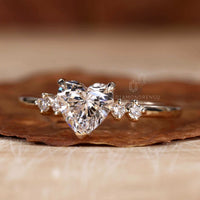
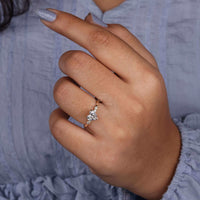
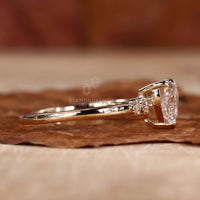
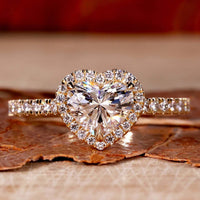
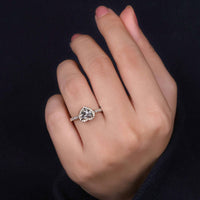
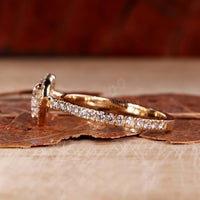
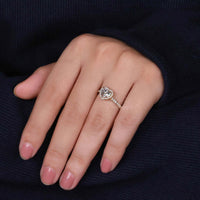
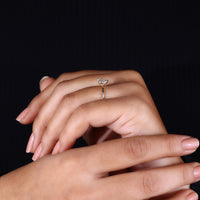
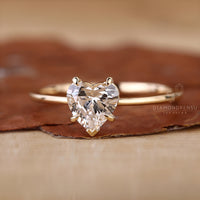
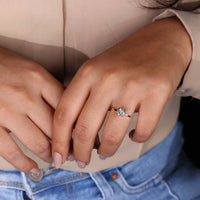
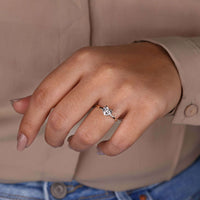
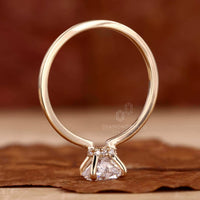
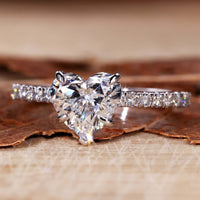
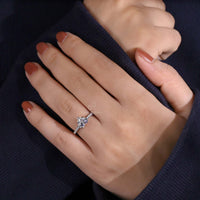
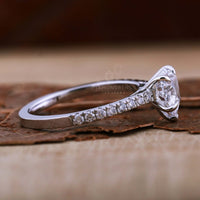
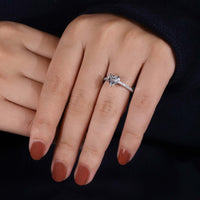
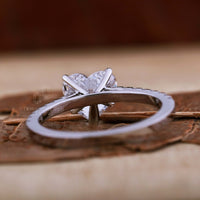
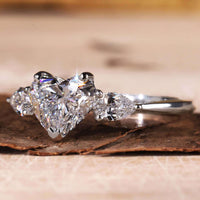
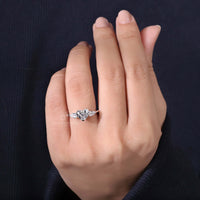
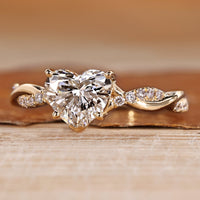
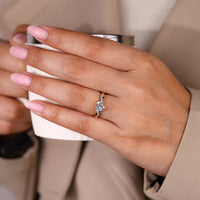
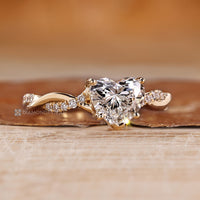
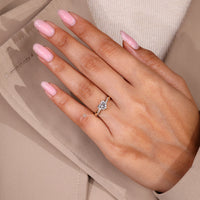
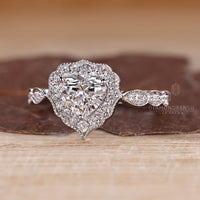
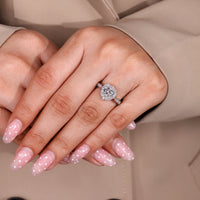
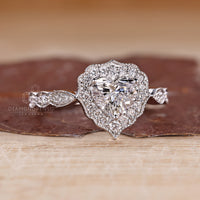
A heart cut diamond needs more precision to cut than almost any other shape, and it shows in the finished stone. Every lobe, every cleft, every facet has to align just right for the symmetry to read as a heart rather than an odd pear. At Diamondrensu, we work exclusively with lab grown diamonds that meet this exact standard, so the heart shaped diamond engagement ring you choose carries the same fire and precision as its mined counterpart, with a lower environmental impact and often a fraction of the price.
What is a Heart Shaped Diamond Engagement Ring?
The Heart Cut - Shape, Faceting, and Symbolism
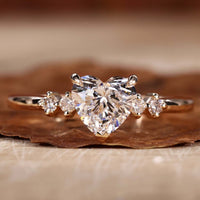
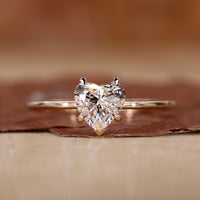
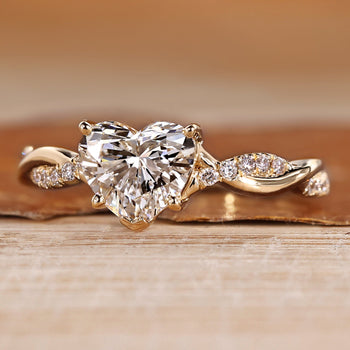
A heart shaped diamond is a modified brilliant cut, finished with 56 to 58 facets. The facets around the lobes catch and return light, while the ones near the base narrow the outline down to a single point. Unlike round or princess cuts, the heart shape has no true axis of rotational symmetry, only bilateral symmetry down the center line, which means the cutter has to mirror each lobe precisely or the stone reads as lopsided. It has carried romantic weight for centuries, and a heart shaped diamond engagement ring remains one of the more literal ways to propose with meaning built into the stone itself.
How a Heart Diamond is Cut - Cleft, Lobes, and Point
The cleft, that indentation between the two lobes, is the hardest part of the stone to get right. Cut it too shallow and the heart looks like a pear with a dent; too deep and it weakens the girdle at a structurally vulnerable spot. Master cutters angle the facets around the cleft to keep light returning evenly across both lobes, while the point at the base needs enough material left to avoid chipping in daily wear. This is precision work, and it's the reason why not every heart diamond on the market is cut to the same standard.
Heart Shaped Lab Grown Diamond Ring Styles at Diamondrensu
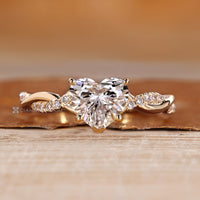
Solitaire Heart Shaped Diamond Ring
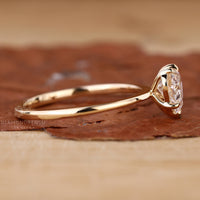
A solitaire setting puts the cut on full display, holding the stone with prongs positioned at the cleft and the point for security without hiding the outline. This is the style we recommend for anyone who wants the shape to speak for itself, set in a simple band of 14K or 18K gold or platinum.
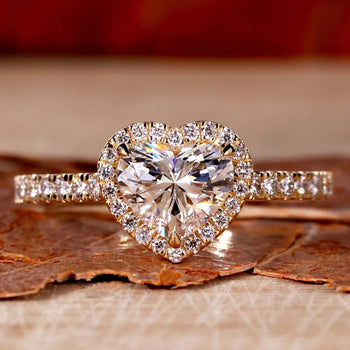
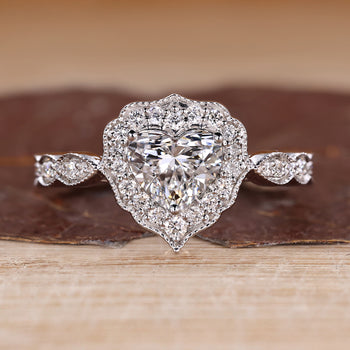
Heart Diamond With Halo Setting
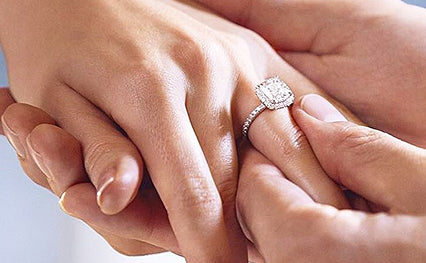
A halo of smaller pave stones traces the outline of the heart, adding perceived size and reinforcing the cleft and point with extra metal support. It's a practical choice for those worried about the more delicate parts of the cut, and it makes the center stone read larger than its actual carat weight.
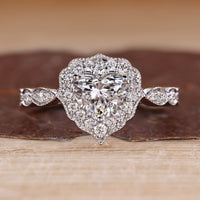
Heart Diamond With Pave Band
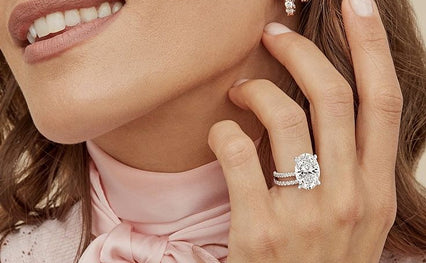
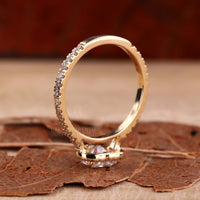
Pave set diamonds running down the shank draw the eye toward the center stone without competing with it. Each side stone gets set by hand under magnification, so the line stays even and the heart shape remains the clear focal point.
Why Lab Grown is the Right Choice for a Heart Diamond Ring
Same Brilliance as Mined - IGI Certified at Diamondrensu
Mined and lab grown diamonds form the same crystal structure. They also match each other in hardness and optical performance. That means a heart shaped diamond engagement ring will show the same fire and scintillation as an equivalent mined stone. Every stone we set comes with IGI certification, so the cut grade, color, and clarity are verified independently, not just claimed.
Better Value Per Carat for a Statement Stone
Heart shaped diamonds tend to look best at a larger carat weight, where the outline has room to read clearly. Lab grown stones cost less per carat than mined diamonds of comparable grade, which means you can size up without compromising on color or clarity, something that matters more with this cut than most.
How to Choose Your Heart Shaped Lab Grown Diamond Ring
Size and Symmetry - What to Look for in a Heart Diamond
Look for a length to width ratio close to 1:1 for a classic, balanced heart, and check if the two lobes are even under magnification. Asymmetry is the most common flaw in this cut, and it's far more noticeable to the eye than a minor clarity inclusion would be.
Setting Style - Protecting the Cleft and the Point
Whatever setting you choose, make sure the prongs protect the cleft and the point, the two areas most vulnerable to chipping. A well designed setting for engagement rings in heart shaped diamond styles protects these areas without obscuring the outline that makes the cut recognizable.
Recommended Carat Range for Heart Shaped Diamonds
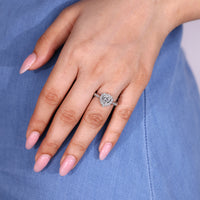
Most heart shaped diamonds read best between 1 and 2 carats, where the lobes and cleft have enough surface area to show their faceting clearly. Below one carat, the shape gets harder to distinguish at a glance.
Metal Type
Platinum and white gold sharpen the outline of the stone with a cool, reflective tone, while yellow and rose gold offer a warm look and suit vintage inspired settings. The choice comes down to personal style more than any technical requirement.
Customization at Diamondrensu
From prong placement and halo size to the band width, every detail can be adjusted to bring your vision to life and fit your daily life, since a setting built for an active hand needs different protection at the cleft and point than one meant for occasional wear. Every consultation about our exquisite heart shaped lab grown diamond engagement rings starts with that distinction, not with the design itself. A heart cut holds its symmetry under close inspection or it doesn't, and that's the one detail worth checking before anything else on this page.