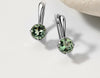
Best Stones for Engagement Rings: A Comprehensive Guide
Selecting the perfect engagement ring is a monumental decision, symbolizing love and commitment to a lifetime journey together. When it comes to engagement rings, the choice of the gemstone is equally important as the design, as it has the power to convey a unique and heartfelt message of love.
While diamonds are undoubtedly the most popular choice for engagement rings, other stones are also gaining significant importance, offering an opportunity to express individuality and romance in a distinctive way.
In the world of fine jewelry, there is a vast array of precious and semi-precious gemstones to choose from, each with their own unique qualities and meanings. From dazzling sapphires to vibrant emeralds, the market offers diverse options beyond the classic diamond ring. As the centerpiece of an engagement ring, the chosen gemstone should not only reflect the personal style and taste of the wearer but also carry a symbolism that resonates with the couple's love story.
To make an educated decision when exploring stones for engagement rings, it is essential to consider factors such as durability, color, and rarity. Ultimately, the best gemstone for an engagement ring is one that captures the essence of love between the couple, stands the test of time, and serves as a constant reminder of their unique connection.
Understanding Different Gemstones
Characteristics of Diamonds
Diamonds are known for their exceptional brilliance and durability, making them a popular choice for engagement rings. They rank a 10 on the Mohs hardness scale, indicating that they are the hardest known natural material. Diamonds come in a variety of colors, including the classic transparent, as well as rarer blue diamonds. Their value is determined by the "4Cs": carat weight, cut, clarity, and color.
Popular Colored Gemstones
- Emeralds: These vibrant green stones belong to the beryl family and are valued for their rich color. With a hardness of 7.5-8 on the Mohs scale, they are relatively durable.
- Sapphires: Typically known for their stunning blue color, sapphires also come in other hues such as pink, yellow, and green. Sapphires are a variety of the mineral corundum and have a Mohs hardness of 9, making them a durable option for engagement rings.
- Rubies: Another variety of corundum, rubies are cherished for their deep red color. They also score a 9 on the Mohs hardness scale, making them a strong alternative to diamonds.
Alternative Gems and Their Appeal
- Moissanite: This synthetic gemstone is often used as a diamond alternative due to its durability (9.25 on the Mohs scale) and brilliance, which can rival that of a diamond. Moissanite is also more affordable compared to diamonds.
- Opal: With their mesmerizing play of color, opals are a unique gemstone option for engagement rings. However, they rank around 5.5-6.5 on the Mohs scale, making them more susceptible to scratches and damage.
- Aquamarine: A member of the beryl family, aquamarines are coveted for their subtle blue color and relatively high hardness (7.5-8 on the Mohs scale).
- Morganite: Another beryl gemstone, morganite is gaining popularity for its pink and peach hues. It shares the same hardness as other beryls (7.5-8 on the Mohs scale), making it a durable choice for engagement rings.
- Pearl, Moonstone, Amethyst, Turquoise, Garnet, Topaz, and Spinel: These gemstones offer a range of colors and styles, with varying levels of hardness and durability. They can provide an affordable and unique alternative to traditional diamond engagement rings.


The Beauty of the Round Cut
The round cut diamond is the most popular choice for engagement rings due to its timeless appeal and ability to maximize light return. This cut highlights the stone's brilliance, giving it a stunning sparkle. The round cut's symmetrical shape allows for optimal light reflection, making the diamond appear even more brilliant and larger in size.
Elegance of the Oval Cut
The oval cut is another elegant option for an engagement ring, offering a beautiful elongated shape that can make the stone appear larger than its actual carat weight. This cut is perfect for those who appreciate the brilliance of a round cut but desire a more unique shape. Additionally, the oval cut can also create the illusion of longer, slimmer fingers, enhancing the overall appearance on the hand.
Unique Cuts: Marquise and Princess
The marquise and princess cuts are great options for those who seek a more distinctive look in their engagement ring. The marquise cut features a unique boat-shaped design with pointed ends, offering a dramatic and visually striking appearance. This cut can also make the diamond appear larger than its actual size and potentially increase the perceived carat weight.
The princess cut, on the other hand, is a modern and trendy choice, often found in square or slightly rectangular shapes. Its sharp corners and brilliant facets create a stunning sparkle that rivals the round cut. The princess cut's geometric design offers a contemporary aesthetic while maintaining the desired brilliance in the stone.
Engagement Ring Styles and Settings
Traditions and Classics
Traditional and classic engagement ring styles often feature solitaire settings. Solitaire settings are synonymous with elegance and simplicity. A solitaire ring has one single stone, typically a diamond, at the center of the band. This setting puts the spotlight on the gemstone and is a timeless choice for couples looking for a classic style.
Another traditional style is the vintage-inspired engagement ring, which can feature intricate detailing and antique designs. These rings often have unique settings, such as bezel or halo, that add an elegant touch while also providing extra security for the precious stone.
Contemporary Styles
In recent years, unique engagement ring styles have gained popularity. Contemporary designs may include multiple stone arrangements, such as three-stone or side-stone settings, or non-traditional cuts and shapes of the gemstone. These modern styles can create a distinctive look that stands out from more traditional options.
For couples looking for an eco-conscious choice, lab-grown diamonds or alternative gemstones like moissanite and sapphire can be used in ring designs. These stones are becoming increasingly popular due to their sustainable production methods and affordability without sacrificing beauty.
Choosing the Right Setting
The ring setting plays a significant role in determining the overall style and appearance of an engagement ring. Some common settings include:
- Prong: Prongs hold the gemstone in place, allowing it to be the focal point of the ring. This setting is versatile and can work with various stone shapes and sizes.
- Bezel: A bezel setting encircles the gemstone with a metal frame, providing added protection. This setting is ideal for those with an active lifestyle or those who want a sleek, modern look.
- Halo: A halo setting surrounds the center stone with smaller stones, adding sparkle and making the main gemstone appear larger. This setting can be ideal for those seeking a glamorous and eye-catching style.
When choosing the right setting for your engagement ring, consider factors such as your desired style, the gemstone shape and size, and your daily activities. You may also opt for a custom CAD design to create a truly unique engagement ring tailored to your preferences.
Understanding Durability and Hardness
When it comes to fine jewelry, especially engagement rings with valuable stones, understanding the durability and hardness of the stones is crucial. The Mohs Hardness Scale is a common reference for comparing the hardness of various gemstones. A higher Mohs rating indicates a harder and more scratch-resistant stone. Diamonds, for example, are the hardest gemstone with a rating of 10 on the Mohs scale, making them the most resistant to scratches and damage.
However, hardness is not the same as durability. A stone may be hard, but also brittle and prone to chipping or cracking. Therefore, it's essential to consider both the hardness and durability of the materials in your engagement ring for proper care and maintenance.
Preventing Scratches and Damage
To prevent scratches and damage to your engagement ring, follow these recommendations:
- When not wearing your ring, store it in a soft, cushioned jewelry box, away from other jewelry items to avoid scratching.
- Avoid exposing your ring to harsh chemicals, such as cleaning products or chlorine in swimming pools, as these may harm your ring.
- Remove your ring when engaging in activities that pose a high risk of damage, such as sports, gardening or heavy lifting.
- Have your ring inspected by a professional jeweler at least once a year to detect any potential issues or damage early on.
Proper Everyday Wear
To keep your engagement ring looking its best during everyday wear, consider these tips:
- Clean your ring regularly using a gentle soap solution and a soft toothbrush, then rinse with lukewarm water and dry with a lint-free cloth.
- Avoid touching the stone with your fingers as much as possible, as the oils from your skin may make it appear dull over time.
- Be cautious when wearing your ring around heat or extreme temperatures, as some stones may be sensitive to these conditions.
By understanding the factors affecting the durability and hardness of the stones in your engagement ring, taking preventive measures to protect it from scratches and damage, and following proper guidelines for everyday wear, you can ensure that your precious piece of jewelry stays in excellent condition for a lifetime together.
Custom and Unique Engagement Rings
A custom engagement ring offers several advantages over a mass-produced option. By choosing a unique center stone and setting, couples can create a one-of-a-kind piece that reflects their personal style and relationship. Custom rings also allow for greater control over the quality and specifications, ensuring that the ring meets the desired standards for cut, clarity, and hardness.
When selecting a stone for a custom engagement ring, one popular option is the moissanite stone. Moissanite is known for its brilliance and durability, making it an excellent choice for those who desire a high-quality, more affordable alternative to a traditional diamond.
Unique Patterns and Styles
In addition to choosing a unique center stone, there are countless ways to customize the overall design of the engagement ring. For example, one can select an intricate band pattern or a distinctive setting style. By experimenting with cut, style, and settings, a couple can create a ring that suits their preferences and showcases their individuality.
- Cut: The cut of the center stone can greatly influence the appearance of the ring. Consider cuts like emerald, cushion, or marquise for a truly unique look.
- Style: The overall style of the ring can be vintage, modern, or even a mix of both, reflecting the couple's aesthetic taste.
- Settings: The arrangement of the center stone and any additional accent stones can vary significantly. Options include bezel, prong, halo, or even a tension setting for a more contemporary vibe.
It's essential to work closely with a trusted moissanite jeweler when designing a custom engagement ring, as they can offer valuable insights and guidance on selecting the best stones, materials, and designs. With their expertise, you can be confident that your unique engagement ring will be a cherished symbol of your love and commitment.
Frequently Asked Questions
Q: What are the most durable gemstones for engagement rings?
When considering durability for engagement rings, it is essential to look at the hardness of the gemstones. Diamonds are the hardest and most durable choice, scoring a perfect 10 on the Mohs scale of hardness. Other durable options include sapphires and rubies, both of which score a 9 on the Mohs scale. These gemstones are ideal for everyday wear and will withstand the test of time.
Q: Which engagement ring stones hold the most symbolism?
Symbolism in engagement rings can vary depending on personal beliefs, culture, and tradition. Diamonds represent eternal love and commitment due to their strength and rarity. Sapphires are known to symbolize loyalty and devotion, while emeralds represent wisdom and growth. Ultimately, the symbolism of a particular gemstone depends on the values and preferences of the couple.
Q: What are popular alternatives to diamonds for engagement rings?
Many couples choose alternative gemstones for engagement rings either for personal preference, ethical concerns, or budgetary reasons. A few popular alternatives to diamonds include sapphires, rubies, emeralds, and moissanite. Sapphires and rubies offer vibrant colors and strong durability, while emeralds provide a distinct green hue and unique charm. Moissanite, a lab-created gemstone, offers similar brilliance and hardness to diamonds at a significantly lower cost.
Q: How do I choose the best gemstone for an engagement ring?
Choosing the best gemstone for an engagement ring depends on several factors, including personal taste, budget, and durability. Start by considering the preferences of the person who will be wearing the ring, including favorite colors, styles, and any symbolic meanings. Then, research the hardness and durability of potential gemstones to ensure they will withstand daily wear. Finally, consider your budget to find a gemstone that meets both your aesthetic and financial requirements.
Q: What factors should be considered when selecting a stone for an engagement ring?
When selecting a stone for an engagement ring, consider factors like durability, budget, and aesthetics. Assess the hardness of the gemstone to ensure it will withstand daily wear and tear. Compare prices and visual appeal among different gemstones, taking into account the classic elegance of a diamond or the unique beauty of a colored gemstone. Personal preferences and the meaning behind the chosen stone also play a significant role in the decision.
Q: Which unique gemstones are trending for engagement rings?
Unique gemstones are gaining popularity among couples looking for distinctive and personalized engagement rings. Some trending options include morganite, aquamarine, and tourmaline. Morganite features a delicate pink hue, symbolizing love and compassion. Aquamarine, with its serene blue color, is associated with tranquility and protection. Finally, tourmaline, available in various shades, offers versatility and an eclectic charm.
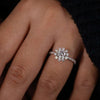
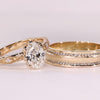
Checkout some of our top collections:
Leave a comment
Please note, comments must be approved before they are published.