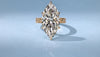
Non-Traditional Engagement Rings: Alternatives to the Classic Round Diamond
Key Takeaways
- Lab-grown diamonds and moissanite offer ethical, budget-friendly alternatives to mined diamonds without sacrificing brilliance.
- Fancy diamond shapes like the marquise, oval, and emerald cut provide unique silhouettes and can appear larger than round diamonds of the same carat weight.
- Colored gemstones such as sapphire, ruby, and morganite allow couples to express their personal style with vibrant, meaningful hues.
- Vintage-inspired designs and unique settings, including east-west and bezel styles, are defining modern engagement ring trends.
- Diamondrensu handcrafts every piece in Surat, India, ensuring exceptional artisan quality and 100% conflict-free sourcing.
The classic round brilliant diamond has long been the symbol of a traditional proposal, but modern couples are increasingly seeking something different. Non-traditional engagement rings offer a way to break away from the expected and embrace a design that feels entirely personal. From colorful gemstones to unique diamond shapes and vintage-inspired settings, the options for alternative engagement rings are more exciting than ever.
Choosing an alternative engagement ring allows you to prioritize what matters most to you, whether that’s ethical sourcing, maximizing your budget, or simply wearing a piece of jewelry that stands out. At Diamondrensu, we believe your ring should be as unique as your love story. Our artisans handcraft every ring, offering the brilliance of premium lab-grown diamonds and moissanite combined with the soul of bespoke craftsmanship.
What Is a Non-Traditional Engagement Ring?
A non-traditional engagement ring is any design that steps outside the boundaries of the classic round diamond set in a plain solitaire band. These alternative styles embrace different shapes, colorful gemstones, unique metal choices, and creative settings to offer a distinct look.
Understanding the appeal of these rings requires looking at both the history of traditional choices and the modern shift toward personalization.
Defining non-traditional engagement rings
Non-traditional engagement rings encompass a wide variety of styles. They might feature a vibrant sapphire or a romantic morganite center stone instead of a diamond. They could highlight a fancy diamond shape, such as a kite or hexagon, or utilize an unexpected setting like an east-west orientation. Ultimately, a non-traditional ring is defined by its departure from the standard, offering a customized aesthetic that reflects the wearer's individuality.
Why round diamonds became the traditional choice
The round brilliant diamond became the industry standard primarily because of its exceptional light performance. Engineered to maximize sparkle, the round cut reflects light beautifully, making it a highly desirable choice for decades. Additionally, heavy marketing in the mid-20th century cemented the round diamond solitaire as the quintessential symbol of engagement, creating a tradition that many still follow today.
Why alternative engagement rings are growing in popularity
Today's couples value personalization and ethical considerations more than ever before. Alternative engagement rings are growing in popularity because they allow individuals to express their unique tastes while often providing better value. The rise of lab-grown diamonds and moissanite has also shifted the landscape, giving buyers access to stunning, conflict-free stones that align with modern values and budgets.
Why Choose an Alternative to the Classic Round Diamond?
Opting for an alternative engagement ring is a deliberate choice to celebrate your relationship in a way that feels authentic. Beyond aesthetics, there are several compelling reasons to explore non-traditional options. From ethical sourcing to budget-friendly options, alternative rings offer benefits that traditional choices often cannot match.
Express your personal style
Your engagement ring is a piece of jewelry you’ll wear every day, so it should perfectly reflect your personal style. Non-traditional rings offer endless possibilities for self-expression. Whether you’re drawn to the bold geometry of an Art Deco design or the soft romance of a rose gold and morganite pairing, an alternative ring ensures your jewelry feels like a true extension of yourself.
Stand out with a unique design
For those who prefer to stand out from the crowd, a classic round diamond might feel too predictable. Alternative engagement rings capture attention through unexpected details. A striking east-west setting or a fancy-shaped center stone guarantees that your ring will be a unique conversation starter rather than a replica of what everyone else is wearing.
Maximize value and budget
The classic round brilliant diamond is the most expensive shape per carat due to the high amount of raw material lost during the cutting process. By choosing a fancy shape like an oval or emerald cut, you can often save 20 to 40% compared to a round diamond of the same carat weight. Furthermore, opting for lab-grown diamonds or moissanite allows you to maximize your budget, offering 30 to 50% more stone for your money.
Ethical and sustainable considerations
Many modern couples are deeply concerned about the environmental and human impact of traditional diamond mining. Choosing an alternative, such as a lab-grown diamond, ensures your ring is 100% conflict-free. Lab-created stones require 85% less water and energy to produce and result in zero land displacement, aligning perfectly with the Kind, not mined.™ philosophy.
Vintage and heirloom-inspired appeal
Alternative engagement rings often draw inspiration from the past, offering a nostalgic charm that modern minimalist rings lack. Vintage-inspired designs incorporate intricate details like milgrain edges and delicate filigree, giving the ring an heirloom quality. These styles connect the wearer to the romance of bygone eras while maintaining exceptional modern craftsmanship.
Alternative Diamond Shapes to the Classic Round Brilliant
If you love the look and durability of a diamond but want something distinct from the round brilliant, fancy diamond shapes offer incredible variety. Each shape possesses its own unique character and optical properties. Exploring alternative diamond shapes allows you to find a silhouette that flatters your hand and suits your aesthetic perfectly.
Oval engagement rings
Oval engagement rings are incredibly popular for their elegant, elongated shape. They offer brilliance comparable to the round cut but occupy more surface area on the finger, making the stone appear larger for its carat weight. The elongated silhouette also creates a flattering, finger-lengthening effect.
Pear-shaped engagement rings
The pear-shaped diamond, also known as a teardrop, combines the brilliant curves of a round diamond with the striking point of a marquise. This shape is inherently romantic and dynamic. Pear-shaped engagement rings can be worn with the point facing up or down, offering versatility and a distinctive, asymmetrical beauty.
Emerald-cut engagement rings
Emerald-cut engagement rings feature a rectangular silhouette with step-cut facets that create a mesmerizing "hall of mirrors" effect. Rather than the intense sparkle of a brilliant cut, the emerald cut offers flashes of light and emphasizes the stone's clarity. This shape exudes quiet luxury and sophisticated Art Deco glamour.
Radiant-cut engagement rings
The radiant cut combines the elegant rectangular silhouette of the emerald cut with the brilliant facet pattern of a round diamond. Radiant-cut engagement rings deliver exceptional sparkle and fire while maintaining a modern, geometric silhouette. They’re an excellent choice for those who want maximum brilliance in a non-round form.
Cushion-cut engagement rings
Cushion-cut engagement rings feature a square or rectangular silhouette with softly rounded corners, resembling a pillow. This cut has a rich history and offers a highly romantic, vintage-inspired look. Cushion cuts are experiencing a major resurgence, prized for their soft silhouette and impressive light dispersion.
Princess-cut engagement rings
The princess cut is a square shape with sharp, pointed corners and a brilliant facet pattern. Princess-cut engagement rings offer a modern, architectural alternative to the round diamond while delivering comparable sparkle. This shape provides excellent value and a clean, contemporary aesthetic.
Asscher-cut engagement rings
Similar to the emerald cut, the Asscher cut features step-cut facets but in a square silhouette with deeply cropped corners. Asscher-cut engagement rings offer a distinctive vintage appeal and hypnotic optical depth. This shape is perfect for those who appreciate the clean lines of the Art Deco era.
Marquise engagement rings
The marquise cut is an elongated shape with pointed ends, inspired by the smile of the Marquise de Pompadour. Marquise engagement rings maximize carat weight, appearing significantly larger than round diamonds of the same weight. This dramatic shape is highly flattering and offers a bold, regal presence.
Heart-shaped engagement rings
Heart-shaped engagement rings are the ultimate symbol of romance and devotion. This complex cut requires an expert artisan to ensure perfect symmetry and brilliant light return. A heart-shaped diamond is a bold, unapologetically sentimental choice for a non-traditional ring.
Kite, Hexagon, and other fancy cuts
For the truly adventurous, geometric shapes like the kite, hexagon, or shield offer an ultra-modern, avant-garde look. These highly unique fancy cuts are perfect for custom engagement rings, allowing the wearer to showcase a design that’s entirely distinct and visually striking.
Colored Gemstone Engagement Rings
Moving away from clear stones entirely, colored gemstone engagement rings offer a vibrant way to express your personality. Gemstones carry rich historical symbolism and provide a stunning pop of color. When choosing a colored gemstone, it is important to consider its hardness to ensure it can withstand daily wear.
Sapphire engagement rings
Sapphire engagement rings are a timeless non-traditional choice, symbolizing loyalty, wisdom, and royalty. Scoring a 9 on the Mohs hardness scale, sapphires are exceptionally durable for everyday wear. While deep blue is the most famous hue, sapphires are also available in stunning shades of pink, yellow, and green.
Emerald engagement rings
Emerald engagement rings captivate with their lush, vibrant green color, representing renewal and devotion. Emeralds feature natural inclusions known as "jardin," making every stone entirely unique. Because they’re slightly more brittle, scoring 7.5 to 8 on the Mohs scale, emeralds are best protected in secure settings like a bezel.
Ruby engagement rings
Known as the "king of gemstones," the ruby represents passion, love, and courage. Ruby engagement rings offer a rich, intense red hue that commands attention. Like sapphires, rubies score a 9 on the Mohs scale, making them a highly durable and romantic choice for a lasting commitment.
Morganite engagement rings
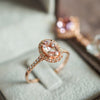
Morganite engagement rings have surged in popularity, prized for their delicate peach-pink tones. This gemstone symbolizes compassion and emotional warmth. Morganite pairs exceptionally well with rose gold settings, creating an ethereal, romantic aesthetic that’s highly sought after by modern couples.
Aquamarine engagement rings
Aquamarine engagement rings reflect the serene beauty of the sea with their light blue to blue-green hues. Symbolizing clarity and tranquility, aquamarine offers a gentle, calming aesthetic. With a Mohs hardness of 7.5 to 8, it’s a fairly durable option for an alternative ring.
Alexandrite engagement rings
Alexandrite is a rare and fascinating gemstone known for its remarkable color-changing properties. It appears green in daylight and shifts to a purplish-red under incandescent light. Alexandrite engagement rings are perfect for those seeking a truly magical, one-of-a-kind stone with excellent durability.
Spinel engagement rings
Spinel is an underrated gemstone that offers incredible brilliance and a wide array of colors, including vibrant red, cobalt blue, and pink. Spinel engagement rings offer exceptional visual appeal and durability, with a Mohs hardness of 8, making them a fantastic, value-driven alternative to rubies or sapphires.
Tourmaline engagement rings
Known as the "rainbow gemstone," tourmaline is available in almost every color imaginable, from vivid greens to electric blues. Tourmaline engagement rings allow for highly personalized expression. While slightly softer (7 to 7.5 on the Mohs scale), they’re a beautiful choice when set securely.
Black diamond engagement rings
Black diamond engagement rings offer an edgy, sophisticated aesthetic for those who want a dramatic departure from tradition. These opaque stones absorb light rather than reflecting it, creating a bold, modern look. As true diamonds, they boast a perfect 10 on the Mohs scale for unmatched durability.
Salt and pepper diamond engagement rings
Salt and pepper diamonds embrace natural inclusions, featuring a beautiful, speckled appearance ranging from icy gray to dark charcoal. Salt and pepper diamond engagement rings celebrate imperfection, offering an organic, entirely unique aesthetic that appeals to couples seeking a raw, natural look.

Lab-Grown Diamond Engagement Rings
Lab-grown diamonds have revolutionized the jewelry industry, offering a conscientious and accessible alternative to mined stones. They offer the exact same beauty and durability as natural diamonds but with significant ethical and financial benefits. Choosing a lab-grown diamond allows you to prioritize both your budget and your values without compromising on quality.
Why lab-grown diamonds are a modern alternative
Lab-grown diamonds are chemically, physically, and visually identical to mined diamonds. They’re created in controlled environments using advanced technology that replicates the earth's natural processes. Because they’re true diamonds, they offer the same exceptional brilliance and perfect 10 Mohs hardness, making them a smart, modern alternative to traditional mined stones.
Benefits of choosing lab-grown diamonds
The primary benefits of lab-grown diamonds are their ethical origins and environmental sustainability. They’re guaranteed to be 100% conflict-free and require significantly less water and energy to produce. Additionally, lab-created diamonds offer incredible value, allowing you to select a larger or higher-quality stone within your budget.
Popular shapes and settings
Lab-grown diamonds are available in every conceivable shape and can be placed in any setting. Whether you desire a classic round brilliant in a minimalist solitaire or an elongated marquise in a vintage-inspired halo, lab-grown stones offer the flexibility to create your perfect non-traditional design.
Cost comparison with natural diamonds
Lab-grown diamonds are generally 80 to 85% more affordable than their natural counterparts. For example, a budget that might afford a 1-carat natural diamond could easily secure a stunning 2-carat lab-grown diamond of exceptional cut and clarity. This significant price difference makes lab-grown stones an unbeatable value.
Moissanite Engagement Rings
Moissanite is a spectacular gemstone that offers an incredible alternative to traditional diamonds. Known for its fiery brilliance, moissanite has become a favorite for couples seeking maximum sparkle and durability. Understanding the unique properties of moissanite highlights why it’s such a compelling choice for an engagement ring.
What is moissanite?
Moissanite is a rare mineral composed of silicon carbide, originally discovered in a meteorite crater by Dr. Henri Moissan in 1893. Because natural moissanite is incredibly scarce, the moissanite used in jewelry today is expertly lab-created. It is a distinct gemstone with its own unique optical properties, not a fake diamond.
Benefits of moissanite
Moissanite offers exceptional durability, scoring a 9.25 to 9.5 on the Mohs scale, making it highly resistant to scratching and perfect for daily wear. It is also incredibly brilliant, possessing a higher refractive index than a diamond. Furthermore, moissanite is highly affordable, offering a luxurious look at a fraction of the cost.
Differences between moissanite and diamonds
The most noticeable difference between moissanite and a diamond is their sparkle. While diamonds reflect white light, moissanite exhibits a higher fire dispersion, creating colorful, rainbow flashes of light often described as a "disco ball effect." Additionally, moissanite is slightly lighter than a diamond of the same carat weight.
Who should choose moissanite?
Moissanite is ideal for anyone who loves intense, colorful sparkle and desires a large, eye-catching center stone without a massive price tag. It is also perfect for eco-conscious buyers who want a lab-created, conflict-free gem that’s tough enough to withstand a lifetime of daily wear.
Unique Ring Settings That Break Tradition
The setting of your engagement ring plays a crucial role in its overall aesthetic. Moving beyond the standard prong solitaire opens up a world of creative, non-traditional designs. A unique setting can transform even a classic stone shape into a striking, contemporary piece of art.
East-west settings
East-west settings take elongated shapes, such as the emerald, oval, or marquise cut, and orient them horizontally across the finger rather than vertically. This simple rotation provides a fresh, modern twist on classic shapes, creating a sleek profile that stands out beautifully.
Bezel settings
In a bezel setting, a continuous rim of precious metal encases the perimeter of the center stone. Bezel settings offer a clean, modern aesthetic and provide superior protection for the gemstone. This low-profile design is exceptionally secure, making it perfect for those with active lifestyles.
Tension settings
Tension settings use the pressure of the metal band to hold the center stone in place, making the gem appear to float in mid-air. This avant-garde, architectural design is highly dramatic and allows maximum light to enter the stone, enhancing its brilliance.
Bypass settings
A bypass setting features a band that doesn’t form a continuous loop; instead, the ends of the band sweep around the center stone from opposite directions. This sculptural, flowing design creates a sense of movement and elegance, offering a highly artistic alternative to traditional bands.
Toi et Moi rings
Toi et moi, meaning "you and me" in French, features two center stones nestled side by side on the band. This deeply romantic setting symbolizes the union of two individuals. Toi et moi rings let you mix and match gemstone shapes and colors for a truly personalized look.
Cluster engagement rings
Cluster engagement rings group several smaller gemstones closely together to create the illusion of a single, larger stone, or to form a unique geometric or floral pattern. This setting offers incredible sparkle and vintage charm while often being more budget-friendly than a single large center stone.
Three-stone engagement rings
Three-stone engagement rings feature a center gem flanked by two side stones, traditionally representing a couple's past, present, and future. This versatile setting allows for creative combinations, such as pairing a vibrant sapphire center stone with brilliant lab-grown diamond side stones.
Hidden halo designs
A hidden halo features a delicate circle of pavé diamonds set beneath the center stone, visible only from the ring's side profile. Hidden halo designs add a secret layer of subtle sparkle and sophisticated detail without altering the classic top-down view of the ring.
Nature-inspired settings
Nature-inspired settings incorporate organic motifs such as winding vines, delicate leaves, or floral clusters into the band's metalwork. These romantic, whimsical designs appeal to those who want a ring that feels earthy, intricate, and deeply connected to the natural world.
Minimalist solitaire variations
For those who prefer understated elegance, minimalist solitaire variations offer a modern take on tradition. These designs might feature ultra-thin bands, sleek geometric prongs, or subtle asymmetrical details, proving that a ring need not be overly complex to be strikingly unique.
Vintage and Antique-Inspired Engagement Rings
Vintage-inspired engagement rings capture the romance and intricate craftsmanship of bygone eras. These designs offer a timeless elegance that feels distinct from modern, mass-produced styles. Exploring different historical periods allows you to find an aesthetic that resonates with your personal taste.
Art Deco designs
Art Deco designs from the 1920s and 1930s are characterized by bold geometry, striking symmetry, and architectural lines. These rings often feature step-cut stones like the emerald or Asscher cut, accented by contrasting colored gemstones like onyx or sapphire, creating a glamorous, statement-making look.
Victorian styles
Victorian styles are deeply sentimental and romantic, often crafted in warm yellow or rose gold. These rings frequently incorporate meaningful motifs such as hearts, flowers, or serpents, which symbolized eternal love. Victorian-inspired rings are perfect for those who appreciate intricate details and historical symbolism.
Edwardian designs
Edwardian designs are renowned for their delicate, ethereal beauty. Crafted primarily in platinum, these rings feature airy, lace-like metalwork and graceful floral or bow motifs. Edwardian-inspired engagement rings offer a soft, highly refined aesthetic that exudes old-world elegance.
Retro-inspired engagement rings
Retro-inspired engagement rings draw from the bold, sculptural styles of the 1940s and 1950s. These designs often feature sweeping curves of yellow gold and substantial center stones, reflecting the confident, cocktail-ring aesthetic of the era.
Milgrain and filigree detailing
Milgrain and filigree are essential techniques for creating vintage-inspired looks. Milgrain adds tiny, beaded metal edges for texture, while filigree involves twisting fine metal wires into delicate, lacy patterns. These artisanal details give any ring a rich, heirloom quality.
Alternative Ring Metals
The metal you choose for your engagement ring significantly impacts its overall style and durability. Moving beyond traditional white or yellow gold allows for further customization.
Each precious metal offers distinct advantages in terms of color, maintenance, and longevity.
Platinum
Platinum is a premium, naturally white metal that’s incredibly durable and hypoallergenic. Unlike white gold, platinum doesn’t require rhodium replating to maintain its color; instead, it develops a soft, frosted patina over time. It’s an excellent, long-lasting choice for securely holding precious gemstones.
White gold
White gold offers a sleek, modern appearance similar to platinum but at a more accessible price point. It is created by alloying pure gold with white metals and plating it with rhodium for a brilliant finish. White gold requires periodic replating to maintain its bright white luster.
Yellow gold
Yellow gold provides a warm, classic aesthetic that has surged in popularity for modern non-traditional rings. Available in 14K and 18K varieties, yellow gold offers a beautiful contrast against brilliant white diamonds and pairs exceptionally well with colored gemstones like emeralds and rubies.
Rose gold
Rose gold is created by alloying pure gold with copper, resulting in a romantic, vintage-inspired pink hue. This warm metal flatters a wide variety of skin tones and adds a soft, distinctive touch to any engagement ring design, pairing beautifully with stones like morganite.
Mixed metal engagement rings
Mixed metal engagement rings combine two different metal colors, such as a white gold band with yellow gold prongs. This contemporary approach highlights the center stone and offers a unique, versatile look that seamlessly matches other jewelry in your collection.
Recycled precious metals
For the eco-conscious buyer, rings crafted from recycled precious metals offer a sustainable alternative. Recycled gold and platinum are refined back to their pure state, providing the exact same quality and durability as newly mined metals while significantly reducing environmental impact.

Custom Engagement Rings
Designing a custom engagement ring is the ultimate way to ensure your jewelry is entirely non-traditional and uniquely yours. The custom process allows you to dictate every detail of the design. Working directly with artisans means your ring will be a bespoke masterpiece that perfectly captures your love story.
Benefits of designing a custom ring
The primary benefit of a custom ring is absolute personalization. You’re not limited to what’s available in a showcase. Custom design allows you to combine your favorite elements from various styles, ensuring the final piece is a perfect reflection of your vision and values.
Choosing your center stone
The custom process begins with selecting the perfect center stone. Whether you desire a fiery moissanite, a conflict-free lab-grown diamond, or a vibrant colored gemstone, you have the freedom to choose the exact shape, size, and quality that fits your budget and aesthetic.
Selecting the perfect setting
Once your stone is chosen, you can design a setting that enhances its beauty. From an architectural tension setting to a romantic vintage-inspired halo, the setting is tailored to secure your specific stone while bringing your unique design concept to life.
Personal engraving and meaningful details
Custom rings allow for the inclusion of deeply personal touches. You can add meaningful details such as a hidden birthstone inside the band, custom filigree patterns, or a personal engraving. These hidden elements transform a beautiful ring into a cherished family heirloom.
How to Choose the Right Non-Traditional Engagement Ring
Selecting the perfect alternative engagement ring requires balancing your aesthetic desires with practical considerations. It’s important to choose a ring that fits seamlessly into your daily life.
Taking the time to evaluate your lifestyle and budget will ensure you make a choice you’ll love for a lifetime.
Consider your lifestyle
Your daily activities should influence your ring choice. If you work with your hands or lead a highly active lifestyle, a low-profile bezel setting or a highly durable stone, such as a lab-grown diamond or sapphire, is ideal. Delicate settings or softer gemstones may require more cautious wear.
Match the ring to personal style
The ring should harmonize with the jewelry and clothing you already wear. If you gravitate toward vintage fashion, an intricate Art Deco design might be perfect. If your style is modern and minimalist, a sleek east-west solitaire will feel right at home.
Think about durability and maintenance
Different gemstones and metals require varying levels of care. Understand the Mohs hardness rating of your chosen stone and the maintenance requirements of your metal (such as the need to replate white gold). Choose materials that align with the amount of upkeep you’re willing to perform.
Set a realistic budget
Determine your budget before you begin shopping. Exploring alternative options like lab-grown diamonds, moissanite, or certain colored gemstones can stretch your budget significantly, allowing you to prioritize the elements of the ring that matter most to you, such as stone size or an intricate custom setting.
Prioritize long-term wearability
While it’s fun to embrace current trends, remember that an engagement ring is meant to be worn for decades. Ensure that the non-traditional elements you choose, whether a unique shape or a colored stone, are features you’ll continue to love long after the trend has evolved.
Durability and Maintenance
Ensuring your non-traditional engagement ring lasts a lifetime requires understanding how to care for its specific materials. Proper maintenance protects your investment and keeps your ring looking brilliant. Different gemstones and metals have unique vulnerabilities that dictate how they should be cleaned and worn.
Which gemstones are best for everyday wear?
For everyday wear, stones that score an 8 or higher on the Mohs hardness scale are recommended. Lab-grown diamonds (10), moissanite (9.25-9.5), sapphires (9), and rubies (9) are exceptionally durable and resistant to scratching. Softer stones like emeralds or morganite require more careful handling and protective settings.
Cleaning different gemstones
Most durable gemstones can be safely cleaned at home using warm water, mild dish soap, and a soft toothbrush. Diamonds, rubies, and sapphires can be cleaned using an ultrasonic cleaner, but not porous or heavily included stones, such as emeralds and morganite, as the vibrations can cause damage.
Caring for precious metals
Keep your metal band looking its best by removing your ring during harsh activities like weightlifting or cleaning with chemicals. Platinum will develop a natural patina that can be polished away by a jeweler, while white gold will eventually need rhodium replating to restore its bright white finish.
When professional inspections are recommended
It’s wise to have your engagement ring professionally inspected at least once a year. A jeweler can check the integrity of the prongs, ensure the center stone is secure, and provide a deep, professional cleaning to restore the ring's original brilliance.
Cost Comparison of Popular Non-Traditional Engagement Rings
Understanding the pricing landscape of alternative engagement rings empowers you to make an informed, value-driven decision. Costs vary widely based on the materials and craftsmanship involved. By exploring different stones and shapes, you can find a stunning ring that aligns perfectly with your financial goals.
Diamond shape pricing
The round brilliant is the most expensive diamond shape. Fancy shapes like oval, cushion, and pear cut generally cost 20 to 40% less per carat. Step-cut shapes like emerald or Asscher can be even more affordable due to a higher yield during the diamond-cutting process.
Gemstone price ranges
Colored gemstones offer a wide range of price points. While high-quality rubies and emeralds can rival diamonds in price, stones like morganite, aquamarine, and certain sapphires offer exceptional beauty at a much more accessible cost, making them excellent options for budget-conscious buyers.
Lab-grown vs. natural diamonds
The price difference between lab-grown and natural diamonds is substantial. Lab-grown diamonds typically cost 80 to 85% less than natural diamonds of the exact same quality and size. This incredible value allows couples to invest in larger stones or more elaborate settings without exceeding their budget.
Moissanite vs. diamond costs
Moissanite is one of the most cost-effective alternatives, often costing only a fraction of a comparable diamond. For a few hundred dollars, you can secure a stunning, flawless-looking moissanite center stone that rivals the brilliance of a diamond that costs thousands.
Custom ring pricing considerations
While custom design might sound expensive, it can actually be tailored to fit your budget. By controlling the choice of metal, the type of center stone, and the complexity of the setting, you can work with artisans to create a bespoke ring that maximizes your budget.
Current Trends in Non-Traditional Engagement Rings
The landscape of bridal jewelry is constantly evolving, with new trends highlighting a desire for individuality and ethical consumption. Staying aware of these trends can inspire your own unique design. From colorful centers to vintage revivals, today's trends celebrate bold, personal expression.
Colored center stones
Vibrant colored gemstones are replacing clear diamonds for many modern couples. Sapphires in unexpected shades like teal or peach, alongside romantic morganite and rich emeralds, are trending heavily as buyers seek rings that offer a distinct pop of personality and color.
Fancy-shaped diamonds
Fancy diamond shapes are dominating the market. Elongated shapes like the oval and emerald cut remain highly sought after, while the marquise cut is experiencing a major resurgence, prized for its dramatic silhouette and finger-flattering proportions.
Sustainable engagement rings
Sustainability is a primary concern for today's consumers. The demand for lab-grown diamonds, moissanite, and recycled precious metals continues to surge as couples actively seek out eco-friendly, conflict-free options that align with their ethical values.
Vintage-inspired designs
Nostalgia is playing a significant role in modern ring design. Vintage-inspired elements, particularly the bold geometric lines of the Art Deco era and the delicate milgrain detailing of the Edwardian period, are incredibly popular for adding character and heirloom quality to new rings.
Minimalist and modern styles
On the opposite end of the spectrum, sleek, minimalist designs are also trending. Bezel settings, east-west orientations, and ultra-thin bands appeal to those who prefer clean, architectural lines and a contemporary, fuss-free aesthetic.
Personalized custom rings
The ultimate trend is personalization. Rather than buying off the shelf, couples are opting to design custom rings from scratch. This trend ensures that the resulting piece of jewelry is a completely unique representation of their specific relationship and style preferences.
Common Mistakes to Avoid
While shopping for a non-traditional engagement ring is exciting, there are a few pitfalls that can compromise the longevity and beauty of your jewelry. Being aware of these mistakes ensures a confident purchase. Balancing your desire for a unique design with practical wearability is the key to a successful choice.
Choosing style over durability
It is easy to fall in love with a delicate design, but an engagement ring must withstand daily wear. Choosing an ultra-thin band or a fragile setting style can lead to bending, warping, or lost stones over time. Ensure your design is structurally sound.
Ignoring gemstone hardness
Selecting a soft gemstone for an engagement ring is a common mistake. Stones below a 7 on the Mohs scale are highly susceptible to scratching and chipping with daily use. Always factor in the stone's hardness when making your selection.
Overlooking setting security
The setting must adequately protect the center stone. A beautiful gem in a vulnerable setting is at risk of damage. If you choose a softer stone like an emerald, or if you lead an active lifestyle, prioritize secure settings like bezels or sturdy prongs.
Focusing only on trends
While trends provide great inspiration, an engagement ring is a lifelong commitment. Avoid choosing a highly trendy design that you may outgrow in a few years. Ensure the non-traditional elements you select genuinely reflect your enduring personal style.
Forgetting long-term maintenance
Every ring requires upkeep. Failing to consider the maintenance requirements (such as the need to replate white gold or the specific cleaning needs of porous gemstones) can lead to frustration. Choose materials that fit the level of maintenance you’re prepared to take on.
Final Thoughts
Choosing a non-traditional engagement ring is a beautiful way to celebrate your unique love story. Whether you’re drawn to the fiery brilliance of moissanite, the ethical appeal of a lab-grown diamond, or the rich history of a vintage-inspired colored gemstone, alternative rings offer endless possibilities for personalization. By prioritizing your personal style, values, and budget, you can find a ring that’s not only breathtakingly beautiful but also deeply meaningful. At Diamondrensu, we are dedicated to helping you bring your vision to life. Our artisans handcraft every piece with precision and care, ensuring that your custom, conflict-free ring is a true masterpiece. Explore our collection or start designing your bespoke ring today, and discover the perfect symbol of your commitment.
Your vision. Your diamond. Your ring.
Work with Diamondrensu experts to create a piece that’s uniquely yours.
Frequently Asked Questions
Are non-traditional engagement rings becoming more popular?
Yes, non-traditional engagement rings are rapidly growing in popularity. Modern couples are increasingly prioritizing unique designs, ethical sourcing, and personalization over standard traditional styles, driving demand for alternative shapes, colored gemstones, and lab-created stones.
What’s the best alternative to a round diamond engagement ring?
The best alternative depends on your preferences. For a different silhouette with diamond durability, fancy shapes like the oval or emerald cut are excellent. For ethical and budget-friendly brilliance, lab-grown diamonds or moissanite are top choices. For a pop of color, sapphires and rubies are highly durable alternatives.
Are colored gemstone engagement rings durable enough for everyday wear?
Many colored gemstones are highly durable for everyday wear, particularly sapphires and rubies, which score a 9 on the Mohs hardness scale. Softer stones like emeralds or morganite can also be worn daily but require more secure settings and careful handling.
Are lab-grown diamonds considered non-traditional?
While lab-grown diamonds are chemically and visually identical to traditional mined diamonds, choosing them is often considered a modern, non-traditional approach. They appeal to buyers seeking an ethical, sustainable, and value-driven alternative to the diamond mining industry.
Is moissanite a good engagement ring stone?
Absolutely. Moissanite is an exceptional engagement ring stone. It scores 9.25 to 9.5 on the Mohs hardness scale, making it highly durable, and it offers even more brilliance and fire than a diamond, all at a highly accessible price point.
Which diamond shape looks the largest?
Elongated diamond shapes, such as the marquise, pear, and oval cuts, tend to look the largest per carat. Their elongated silhouettes occupy more surface area on the finger, creating an optical illusion of greater size than a round brilliant diamond of the same weight.
What is the most affordable engagement ring alternative?
Moissanite is generally the most affordable alternative that still offers exceptional durability and brilliant sparkle. For those who specifically want a diamond, lab-grown diamonds provide the most affordable route, costing significantly less than mined diamonds.
Can I customize a non-traditional engagement ring?
Yes, customizing a non-traditional engagement ring is highly encouraged. Working with artisan jewelers like Diamondrensu allows you to select your exact center stone, design a unique setting, and incorporate personal details to create a ring that’s entirely bespoke.
Do non-traditional engagement rings hold their value?
The value retention of non-traditional rings varies. High-quality natural rubies and sapphires often hold value well. While lab-grown diamonds and moissanite may not have the same resale value as mined diamonds, their significant upfront cost savings make them an excellent financial choice for many couples.
Which metal is best for a unique engagement ring?
The best metal depends on your aesthetic and lifestyle. Platinum is the most durable and low-maintenance white metal. Yellow and rose gold offer warm, vintage-inspired aesthetics, while mixed metals provide a highly contemporary, unique look.
Leave a comment
Please note, comments must be approved before they are published.